
University of Problems
Play University of Problems
University of Problems Screenshots





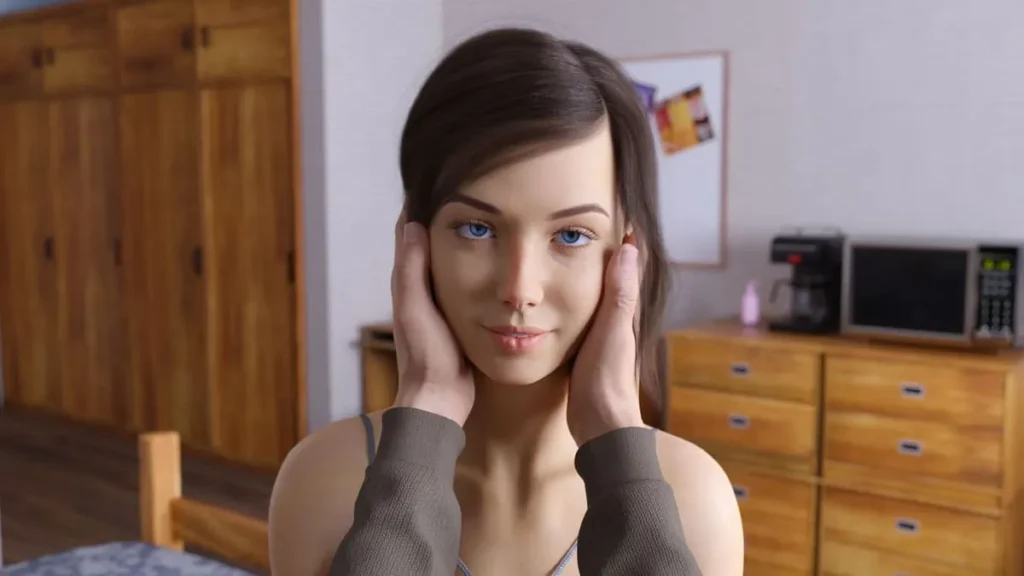


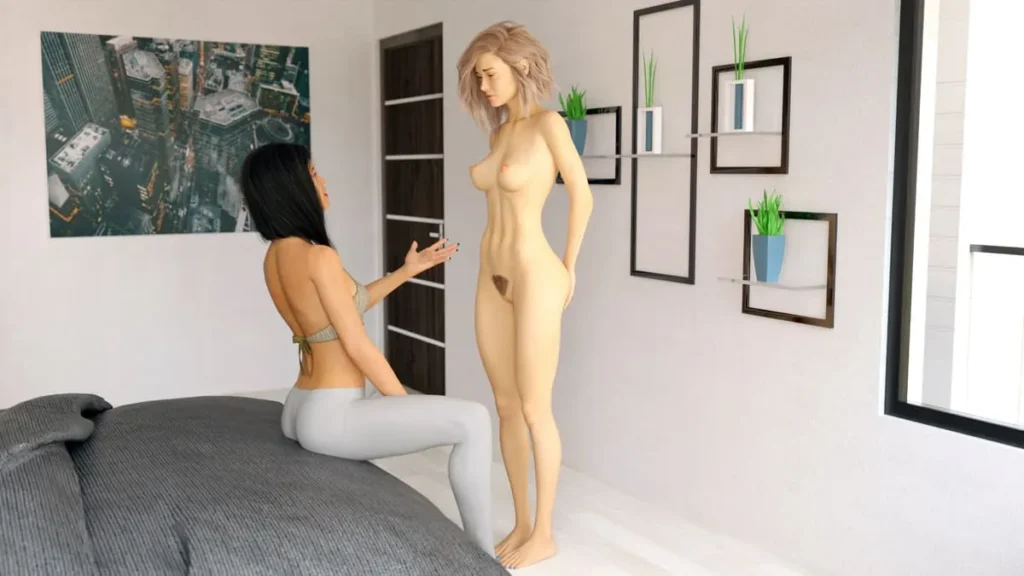
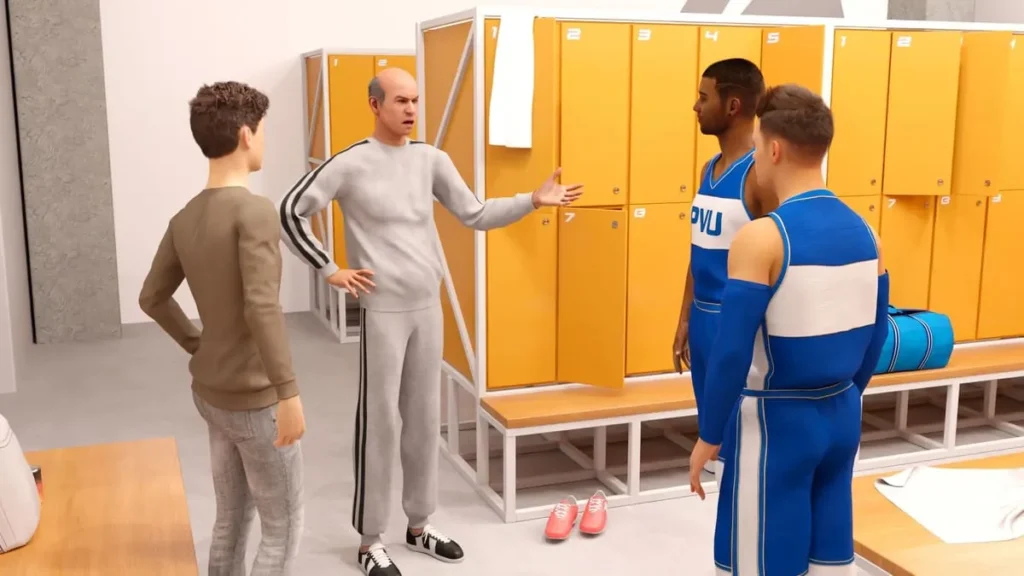



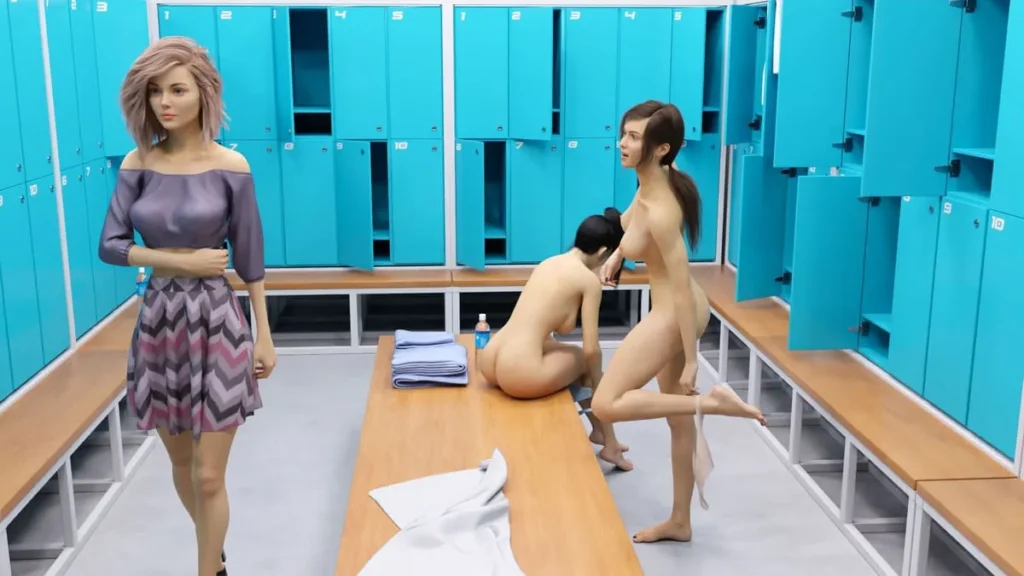
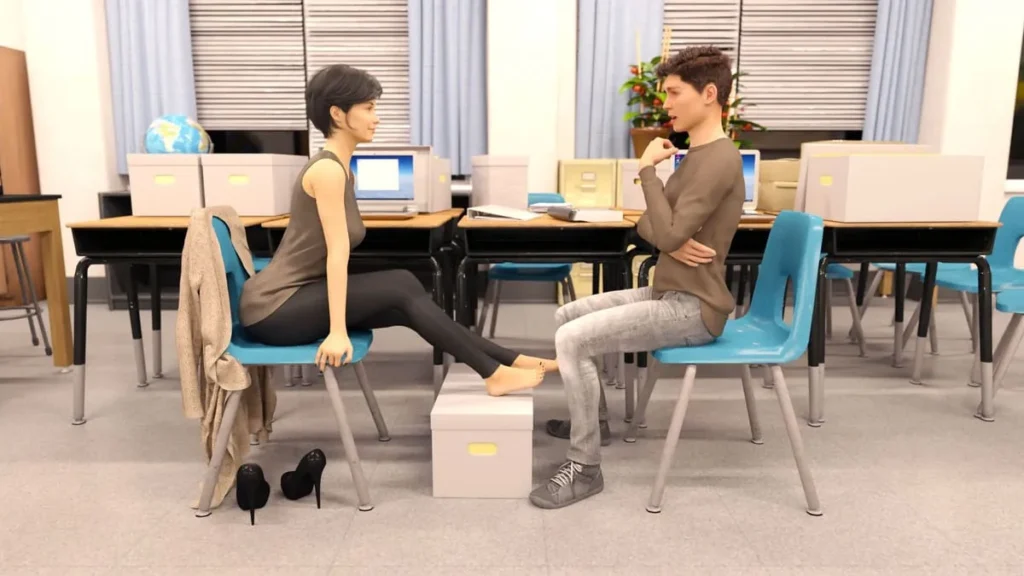

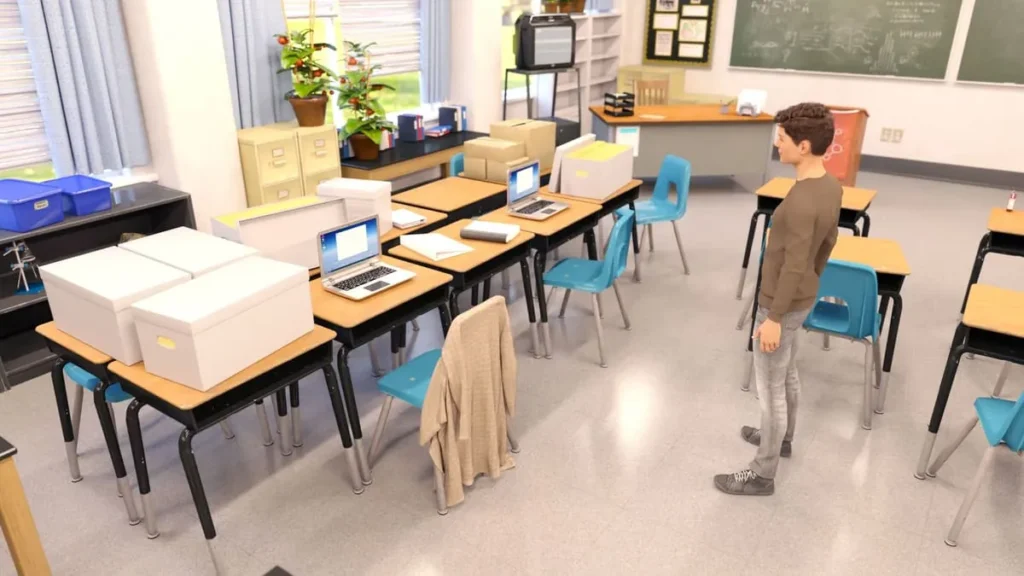
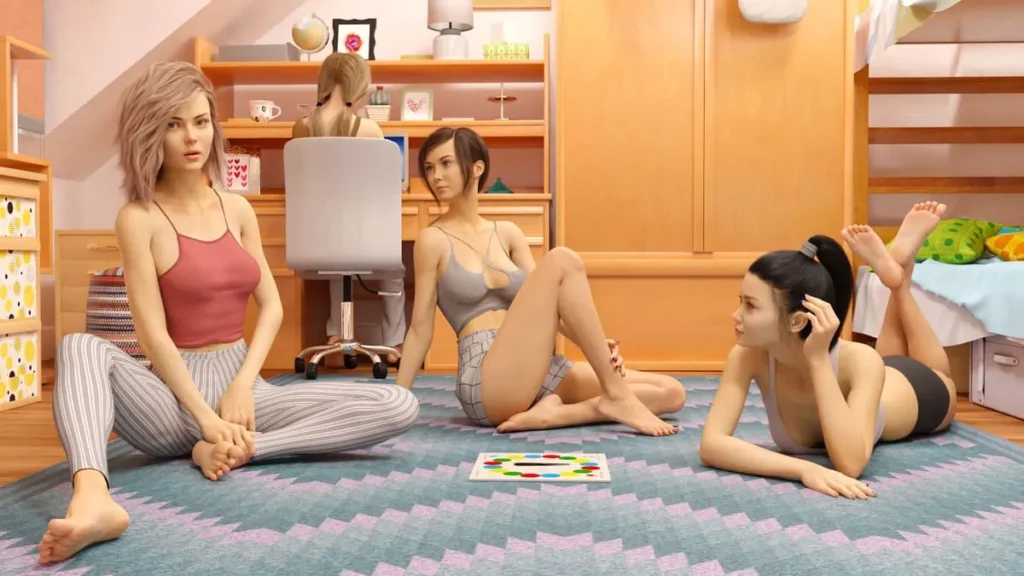
University of Problems review
Master Choices, Characters, and Scenes in This Steamy Visual Novel
Ever stepped into a world where every choice at university leads to thrilling encounters? University of Problems drops you into the shoes of a student chasing the ultimate campus adventure, packed with relationship-building, steamy scenes, and branching paths. I’ve sunk hours into this visual novel, navigating lust meters and dialogue options to unlock hidden moments with characters like Roxy, Rachel, and Carol. If you’re ready to dive deep, this guide shares my personal strategies to maximize your playthrough, from optimal choices to pro tips for the best outcomes. Let’s turn your game into an unforgettable ride.
What Makes University of Problems a Must-Play Visual Novel?
I still remember the night I first booted up University of Problems. I was just browsing, looking for something with a bit more substance than your typical click-through story, and the screenshots of this vibrant college campus caught my eye. Three hours later, I was still glued to my screen, completely invested in whether my character would ace his exam or finally get a moment alone with the enigmatic girl from the library. That’s the magic trick this visual novel pulls off—it doesn’t just tell you a story; it makes you the architect of it. If you’re curious about what is University of Problems, think of it as your ticket to the most chaotic, fun, and thrilling college experience you never had.
This isn’t a passive experience. The core University of Problems gameplay is all about choice. Every conversation, every decision, from how you study to who you flirt with, sends ripples through your entire college life. It’s a masterclass in interactive storytelling, and it easily earns its spot among the best college visual novels for its sheer ambition and depth.
How the Story Hooks You from Day One 🎣
From the moment you create your character and step onto campus, the game is expertly designed to pull you in. You’re not a blank slate; you’re a new student with aspirations, a cramped dorm room, and a whole social landscape to navigate. The genius is in the details. You’ll worry about your grades, manage your energy and time, and try to scrape together cash from odd jobs. It feels authentic.
But the real hook is the people. The characters you meet—from fellow freshmen to demanding professors—feel immediately real with their own goals, insecurities, and personalities. The writing quickly makes you care about these digital people. You’ll want to help your roommate with his drama, navigate the complex social hierarchy, and, of course, pursue romantic interests that are far more than just pretty faces. This is where the University of Problems story paths begin to diverge wildly. A kind word to one character might close a door with another. Choosing to focus on your studies over a party invitation can alter which storylines are available to you weeks later, in-game.
My first major surprise came when I, trying to be a “nice guy,” consistently made polite choices with a particular character. I hit a wall in the relationship, unable to progress. On a second playthrough, I was a bit more daring and flirtatious, and an entire, steamier branch of the story opened up that I never knew existed! This is the heart of the game: your personality, as defined by your choices, directly unlocks or blocks content. There’s no single narrative railroad here.
Why the Graphics and Animations Stand Out 🎨
Let’s be blunt: many story-driven games in this genre rely on static images and text boxes. University of Problems refuses to settle. The presentation is a huge part of why it’s so immersive. The character models are stunningly detailed, with expressive faces that actually convey emotion—a sly smile, a look of concern, a playful smirk. You read their feelings in their eyes, not just the dialogue.
The environments are equally impressive. Rooms change dynamically based on the time of day. The student union is bright and bustling in the afternoon, and the same dorm room feels intimate and quiet late at night. This attention to environmental storytelling adds a layer of realism that pulls you deeper into the world.
Then there are the visual novel animations. This is where the game truly shines. Intimate moments are not just implied; they are presented with smooth, high-quality animation that feels like a reward for your careful relationship building. These scenes are tastefully integrated into the story and are a direct result of your in-game stats and choices. Speaking of stats, managing your LUST level and individual character points is crucial. For example, reaching a LUST >20 might unlock extended, more animated interactions, making stat management a key, strategic part of the University of Problems gameplay.
To show you how it stacks up, here’s a look at its features compared to other popular titles in the space.
| Game | Graphics Quality | Character Variety | Scene Count & Animation |
|---|---|---|---|
| University of Problems | High (Dynamic lighting, detailed models, time-of-day changes) | Very High (Multiple deep storylines with distinct personalities) | High (Numerous animated scenes integrated into story paths) |
| Being a DIK | High (Stylized and polished) | High (Large, diverse cast) | Medium (Good scene count, but less focus on full animation) |
| College Kings | Medium (Good models, less detailed environments) | Medium (Several love interests) | Medium (Mix of static and animated content) |
Player Choices That Shape Your Adventure 🧭
This is the core of any great visual novel, and University of Problems turns it into an art form. Every dialogue choice is a tool that shapes your world. Are you a charming joker, a sincere romantic, or a ambitious scholar? The game remembers, and the characters react accordingly. The branching isn’t just about “good” or “bad” endings; it’s about crafting a unique narrative journey that reflects your playstyle.
The game uses a sophisticated system of hidden points and stats. Building points with a specific character opens up their personal story paths, revealing deeper backstories and private moments. Meanwhile, your global LUST stat acts as a key to more passionate encounters. It’s a balancing act. You might be pursuing a slow-burn romance with one character while engaging in a more physically charged fling with another, and the game seamlessly juggles these parallel narratives. This creates incredible replayability. You’ll want to start a new game just to see what happens if you focus on a different set of characters or make opposite choices.
A piece of actionable advice I wish I’d known from day one: don’t ignore the LUST stat early on. While it might seem counterintuitive if you’re aiming for a specific romantic story, many of the game’s most engaging and animated scenes require a certain threshold. Think of it as your character’s confidence and willingness to engage on a physical level. Managing it strategically from the beginning opens up more complete versions of relationships later.
In my University of Problems review of the system, I find it brilliantly ties mechanics to narrative. You’re not just picking options; you’re building a persona. This makes your successful moments—finally unlocking a cherished scene or mending a fractured friendship—feel genuinely earned. It transforms the experience from simply reading a story to living one.
To get you started on your own unforgettable campus adventure, here are my top pro tips:
- Balance Your Stats Early: Don’t hyper-focus on just one character or your studies. Spend the first few in-game weeks building a base level in key stats like LUST and spreading points across a few potential love interests to keep your story paths open.
- Save Strategically and Often: Before any major story event or exam, create a new save file. The branching is so extensive that you’ll want to explore different outcomes without replaying dozens of hours.
- Time Management is Key: Your energy and time of day are precious resources. Plan your schedule—some interactions are only available in the evening, while jobs or study sessions happen during the day.
- Pay Attention to Hints: Characters will often subtly hint at what they like or their mood. A choice that seems neutral might be exactly what someone needs to hear to open up.
- Embrace the Chaos: Part of the fun is juggling multiple relationships and dealing with the unexpected consequences. Don’t reload a save immediately after a “mistake”; sometimes the most interesting stories come from unintended drama.
Ultimately, University of Problems stands out because it delivers a complete package: a compelling world, beautiful presentation, and a choice-driven narrative with real weight. It’s more than a game; it’s a personalized college drama where you hold the pen. And the best part? We’ve only scratched the surface of the campus roster. Wait until you meet the individuals who make this world so unforgettable… but that’s a deep-dive for another time.
University of Problems delivers a gripping mix of choice-driven stories, stunning visuals, and rewarding relationships that keep you coming back for more paths. From my countless hours tweaking lust and chasing perfect endings with Roxy, Rachel, and the crew, it’s clear this visual novel nails the thrill of campus escapades. Grab the latest version, track those points, and experiment boldly—your next favorite scene awaits. Dive in today and craft your ultimate university tale.