Twisted Memories
Play Twisted Memories
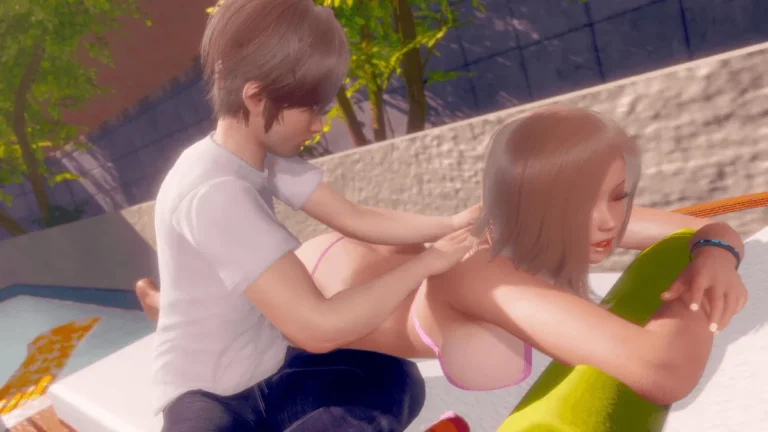
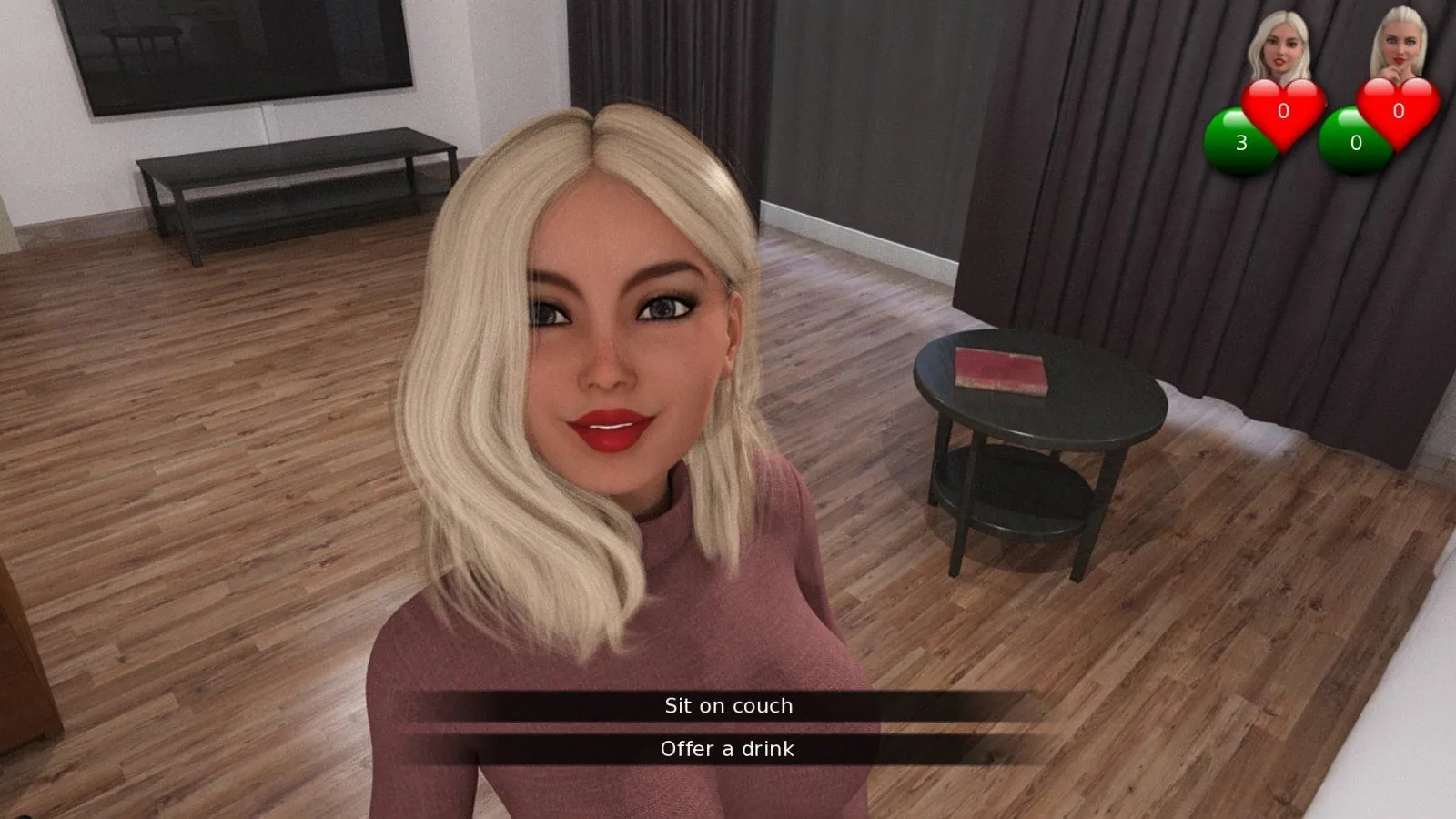
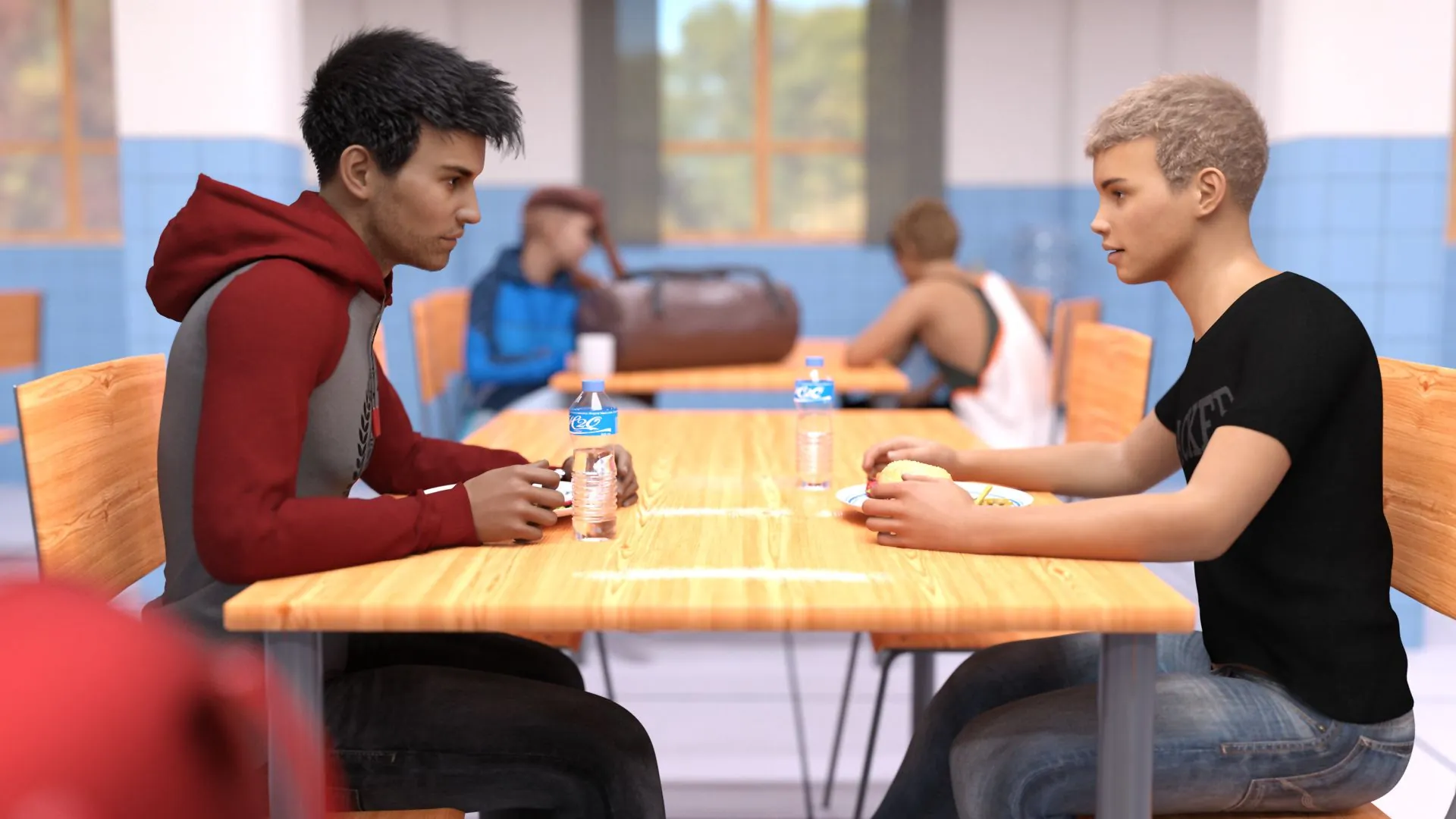
Twisted Memories Screenshots
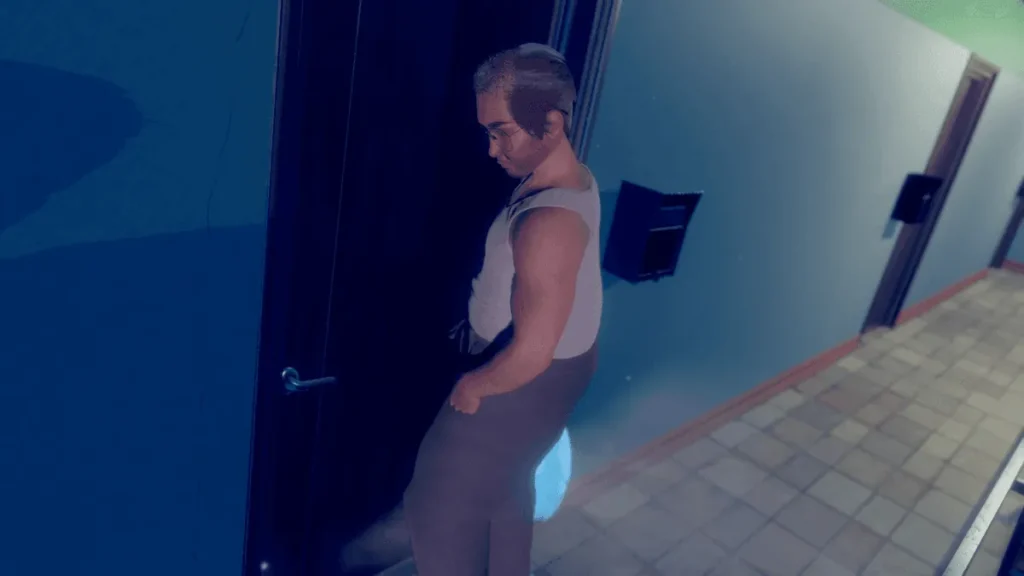
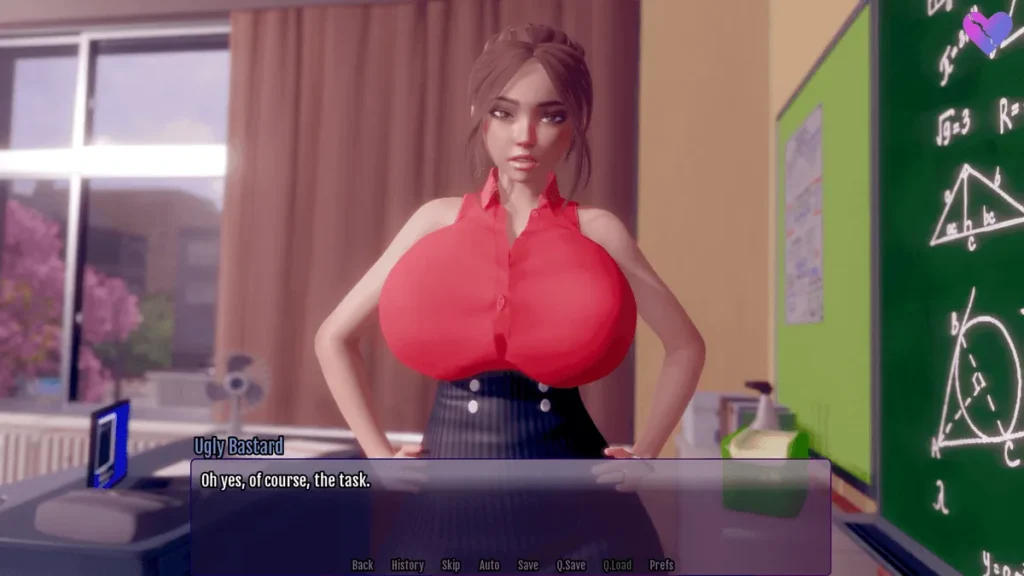
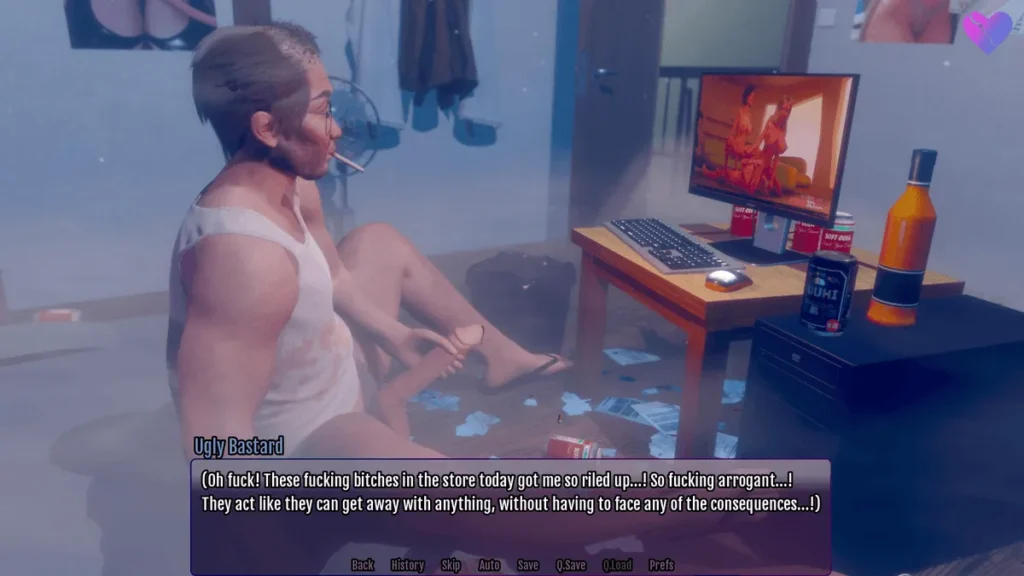
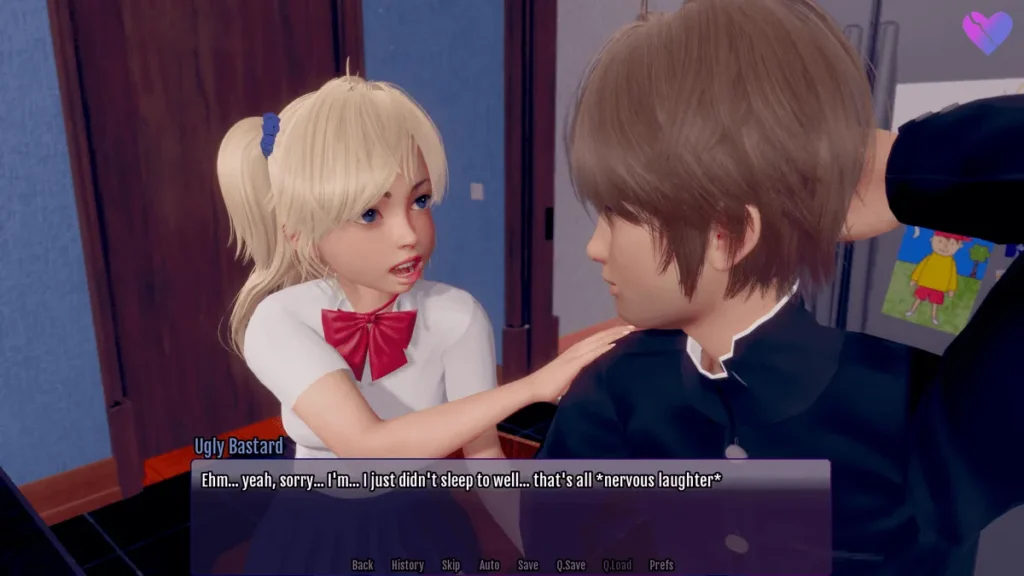
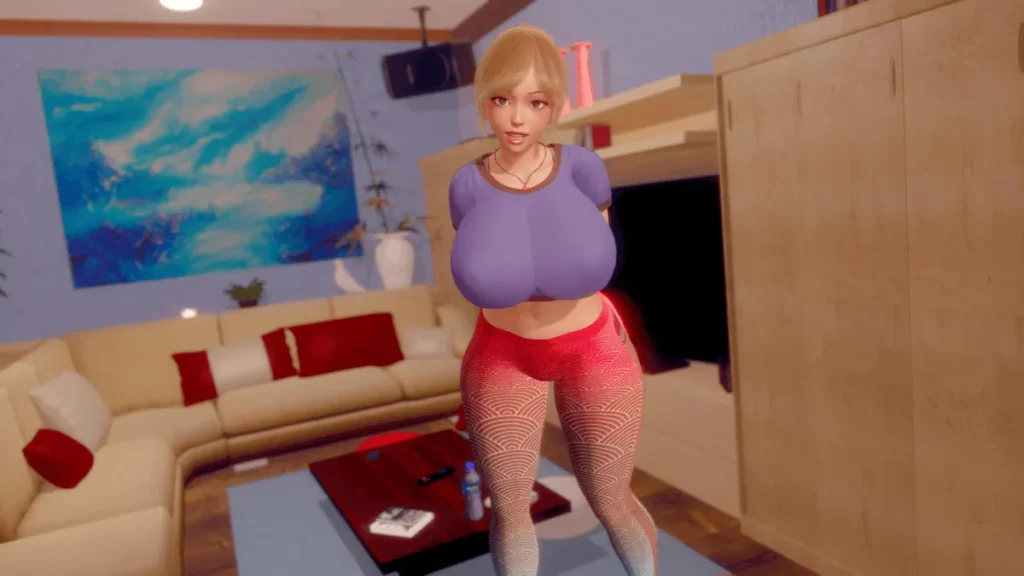
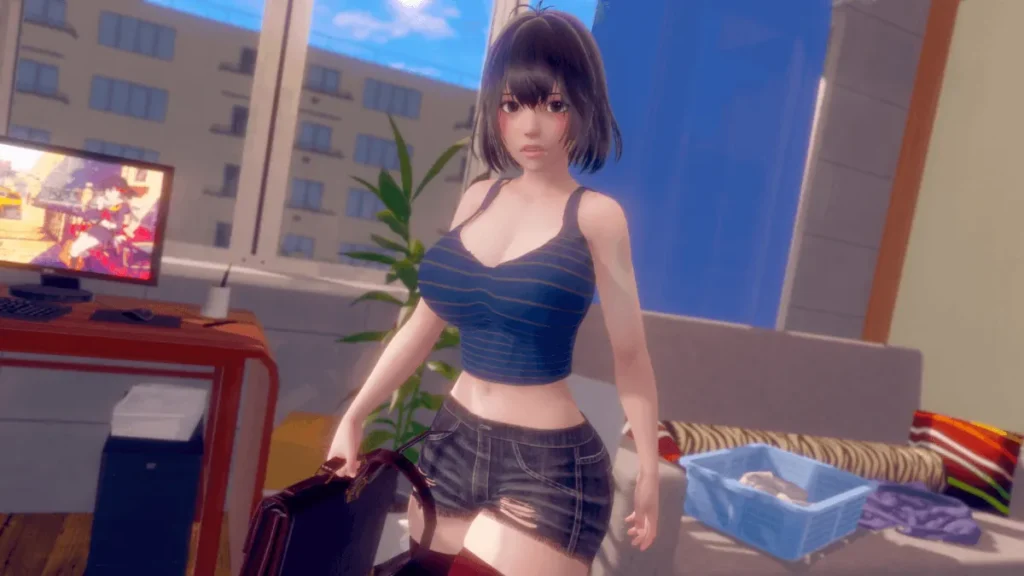
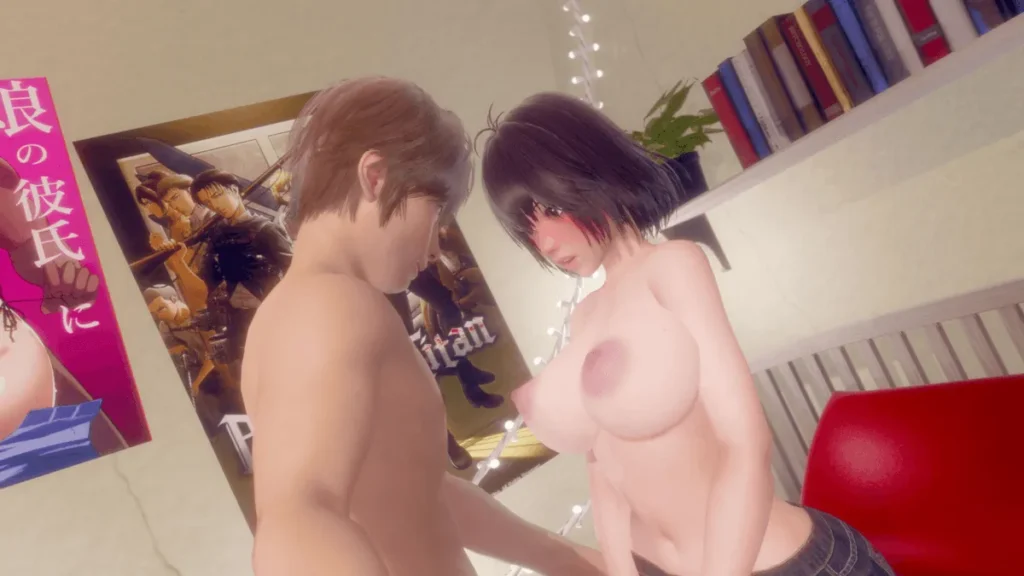
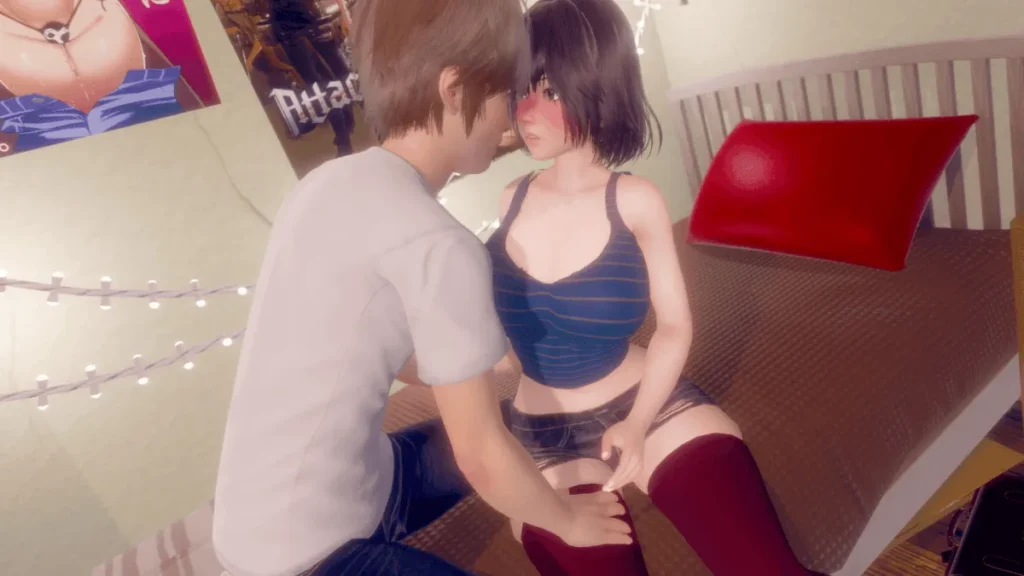
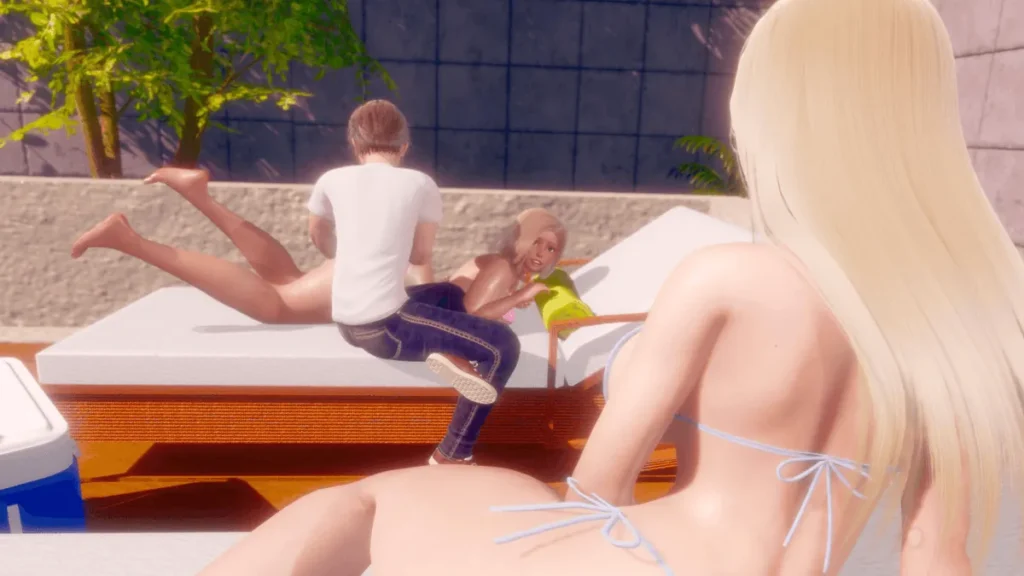
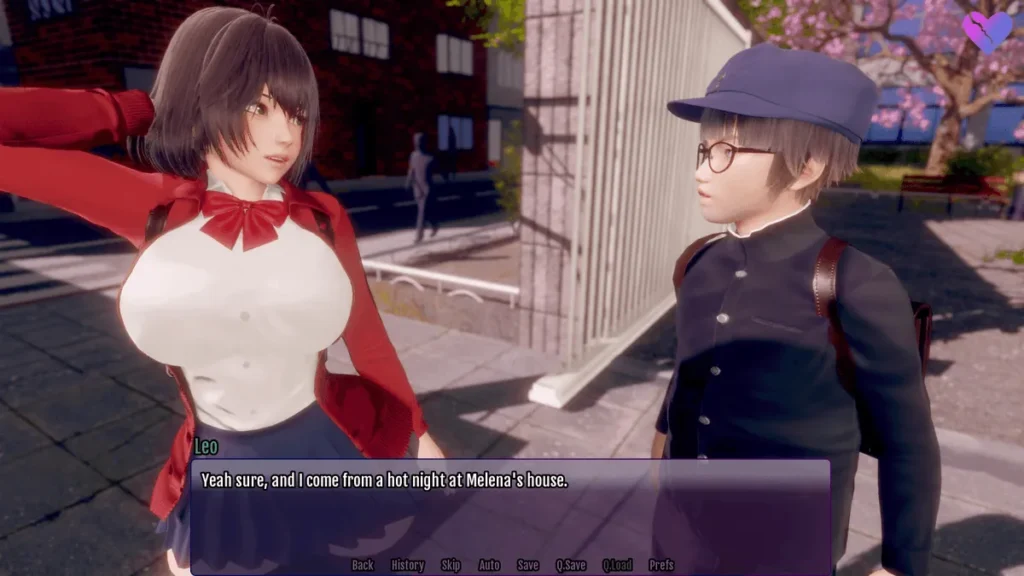
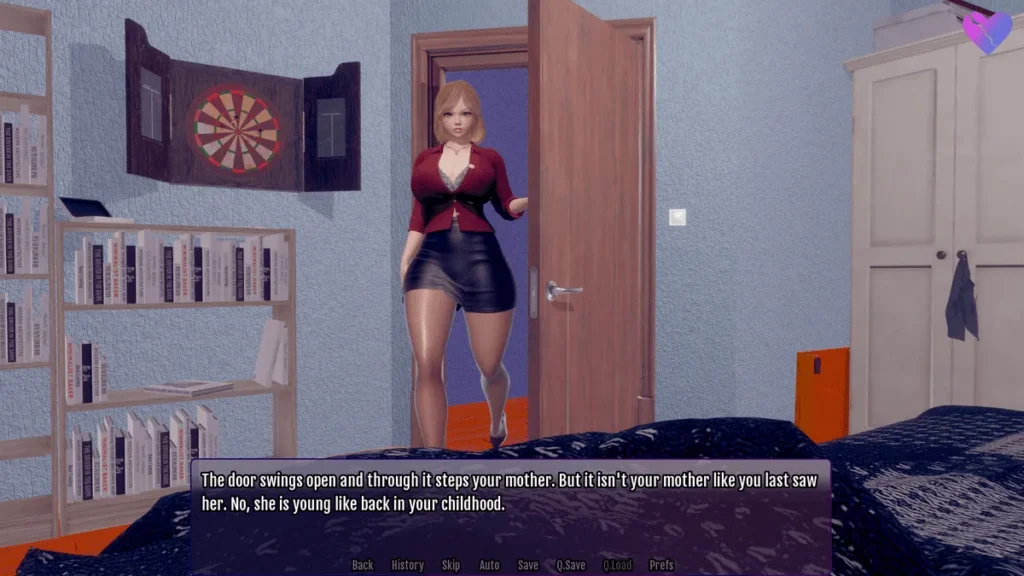
Twisted Memories review
Honest impressions, gameplay insights, and tips for getting the most out of Twisted Memories
Twisted Memories is a choice-driven visual game that blends a dark, character-focused story with interactive scenes and branching paths. If you’ve seen screenshots or heard people mention Twisted Memories but still aren’t sure what kind of experience it really offers, you’re not alone. When I first tried it, I went in expecting a shallow, scene-focused title and instead found something surprisingly narrative-heavy with plenty of decisions that genuinely change how relationships evolve. In this article, I’ll walk through how Twisted Memories works, what you can expect from the story, progression, and characters, and how to decide if it’s the right game for you.
What Is Twisted Memories and Who Is It For?
Let’s cut through the noise. You might have stumbled across Twisted Memories in your search for something new to play, seen some intriguing screenshots, and wondered what it’s all about. Is it just another adult game, or is there more beneath the surface? 🤔 I had the same questions. In this guide, I’m pulling back the curtain to give you a straightforward look at this unique experience, helping you decide if it’s your next favorite download.
Simply put, the Twisted Memories game is a narrative-driven, choice-based visual experience for mature players. It’s less about winning or losing and more about immersing yourself in a complicated web of relationships, making tough decisions, and dealing with the often messy consequences. Think of it as directing your own dramatic, character-focused series where your dialogue choices and actions directly shape the story’s path and endings.
Core Concept: What Makes Twisted Memories Different?
So, what sets this apart from other games you might have tried? The heart of the Twisted Memories visual novel style is its commitment to character depth and moral ambiguity. You don’t play a hero on a clear-cut quest. Instead, you step into the shoes of a protagonist navigating a life filled with complicated personal connections, past regrets, and present temptations.
The premise drops you into a situation where relationships are already tangled. You’re managing friendships, romantic entanglements, and personal conflicts, all while the ghosts of past decisions loom large. The brilliance of the Twisted Memories story is that it rarely offers a purely “good” or “bad” choice. You’ll often find yourself picking between two flawed options, each with emotional ripple effects that can change how characters view you and interact with you chapters later.
This isn’t a puzzle platformer or an action RPG. The core adult Twisted Memories gameplay loop revolves around reading richly written dialogue, selecting your responses during key conversations, and occasionally making major plot decisions at branching points. The “adult” elements are woven into this framework as extensions of the relationships and story, rather than being the sole focus. The game spends considerable time building personalities, backstories, and emotional stakes, which makes every interaction feel more significant.
Who Will Enjoy Twisted Memories the Most?
This is the million-dollar question: who is Twisted Memories for? It won’t be a perfect fit for everyone, and that’s okay! Knowing what you enjoy is key to figuring out if is Twisted Memories worth playing for you.
This game will likely be a hit for players who:
* Love slow-burn stories and complex characters. If you enjoy unpacking what makes people tick and watching relationships evolve (or devolve) over time, you’ll find a lot to savor.
* Appreciate having real agency in a story. Your choices carry weight here. You’ll feel their impact, which encourages multiple playthroughs to see different outcomes.
* Are comfortable with mature, interpersonal themes. The game explores desire, jealousy, trust, and manipulation within its character dynamics.
* Enjoy a “director’s chair” experience. You guide the tone of conversations and the direction of relationships through your dialogue picks.
Conversely, you might want to look elsewhere if:
* You crave fast-paced combat, intense action, or reflex-based challenges.
* You prefer lighthearted, casual gaming without heavy emotional investment.
* You are uncomfortable with narrative themes that involve complex relationship dynamics or morally grey situations.
* You dislike reading as a primary gameplay mechanic.
My Tip: Go in expecting a compelling drama first and foremost. The mature content is a part of that drama, not the entire point of it. This shift in expectation made all the difference for my enjoyment.
Platform, Updates, and How the Game is Distributed
Let’s talk logistics. If you’re interested, how do you actually get it? The Twisted Memories download process is typical for independently developed narrative games.
The Twisted Memories game is primarily designed for PC. You won’t find it on major console storefronts. Instead, distribution happens directly through the creator’s own channels or supported creator platforms. This usually means visiting the official site or a dedicated page, purchasing access, and downloading a standalone executable file for Windows (and sometimes Mac/Linux). Always ensure you’re downloading from the official source to support the creator and avoid security risks.
Games like this thrive on a live development cycle. The creator releases the Twisted Memories story in chapters or major updates. A typical update model includes:
| Update Type | What It Usually Contains |
|---|---|
| Major Chapter Release | New story segments, character arcs, and branching paths. |
| Content Update | Additional scenes, expanded dialogue for existing characters, or new relationship milestones. |
| Maintenance Patch | Bug fixes, typo corrections, and minor improvements to gameplay flow. |
To stay in the loop, following the creator’s development blog or community posts is essential. This is where they’ll announce progress, preview new content, and post detailed change logs. This model means the game evolves over time, and returning to an old save after a big update can often unlock new possibilities! 🔄
Setting Content Boundaries: It’s responsible to reiterate that the adult Twisted Memories gameplay involves explicit scenes and explores mature interpersonal dynamics. The tone can sometimes venture into darker emotional territory. It’s designed for an adult audience comfortable with this content. Always consider your own preferences and comfort levels.
I’ll leave you with that first-hour story I mentioned. When I first launched the Twisted Memories game, I’ll admit my expectations were skewed. I was braced for a simple, straightforward experience. What I got instead was an immediate deep dive into nuanced character writing. Within the first hour, I wasn’t just clicking through to get to a scene; I was genuinely pondering my dialogue choices during a tense conversation, trying to mend a fragile friendship while navigating a new attraction. The game presented me with a choice that had no obvious “right” answer—only different shades of consequence. It was this surprising depth of storytelling within the Twisted Memories visual novel style that completely hooked me. It transformed from a casual curiosity into a narrative I was emotionally invested in. That’s the unique magic it offers, and it’s exactly why is Twisted Memories worth playing for the right person.
Twisted Memories is more than a quick, one-note experience; it is a dialogue-heavy, choice-driven game that leans into character drama, emotion, and mature themes. If you appreciate taking your time to explore branching routes and seeing how different decisions steer relationships in new directions, this title can be surprisingly engaging. On the other hand, if you prefer fast action and minimal reading, it may not be the best fit.
Before diving in, think about what you want from a mature story game: layered characters, difficult choices, or simply a way to unwind with an interactive narrative. If those elements appeal to you, Twisted Memories is worth a closer look. Consider giving it a try, experimenting with different paths, and seeing which version of the story you end up creating.