
Lost in Paradise
Play Lost in Paradise
Lost in Paradise Screenshots




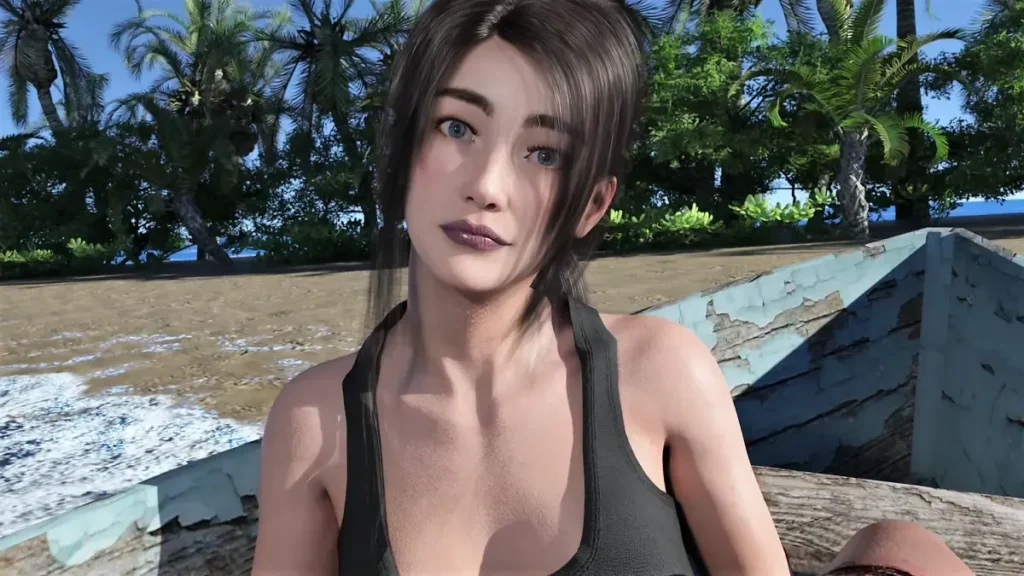



Lost in Paradise review
Explore gameplay mechanics, features, and what makes this title unique
Lost in Paradise stands out as a distinctive title in the adult gaming landscape, offering players a blend of interactive storytelling and engaging mechanics. This comprehensive guide explores the core gameplay elements, narrative structure, and unique features that define the experience. Whether you’re curious about the game’s mechanics, story progression, or overall design philosophy, this article provides an in-depth look at what makes Lost in Paradise a notable entry in its genre. Understanding the game’s approach to player choice, character interaction, and world-building will help you determine if this title aligns with your gaming preferences.
Gameplay Mechanics and Core Features
At its heart, Lost in Paradise is so much more than a pretty backdrop and a cast of intriguing characters. It’s an intricate machine of cause and effect, where every whispered secret, every bold decision, and even every moment of hesitation writes your unique story. 🏝️✨ The core of the Lost in Paradise gameplay mechanics isn’t about complex button combos or inventory management; it’s about the weight of a choice and the ripple it creates across your entire island experience. If you’ve ever wished a game would truly listen to you, this is it.
Forget passive storytelling. Here, you don’t just watch a narrative unfold—you are its architect. This is the essence of a true interactive storytelling game. The game’s brilliance lies in its branching narrative structure, a web of possibilities so dense that my first playthrough felt uniquely mine, and my second felt like a completely different vacation, for better and worse. Let’s pull back the curtain on what makes this tropical getaway so compelling.
Interactive Storytelling and Player Choice
The moment you step off the boat onto the sun-drenched shores, the game hands you the pen. The Lost in Paradise gameplay mechanics are built on a simple, profound premise: what you say and do matters. Permanently. This isn’t an illusion of choice where dialogue options merely change the next line of conversation. This is decision-based gameplay where your selections directly alter character alliances, unlock or seal off story branches, and ultimately determine which of the game’s multiple endings you’ll discover.
I learned this the hard way. Early on, I had to decide whether to cover for a new friend’s minor mistake or uphold the “island rules” with the strict community leader. Thinking I was being principled, I told the truth. 🤦♂️ That single choice didn’t just make my friend distant; it completely removed my access to an entire subplot involving a hidden lagoon, a special item, and a series of heartwarming scenes that another player gushed about. I had no idea what I’d missed until I replayed! That’s the power of player choice and consequences in action.
The game tracks your moral compass, your allegiances, and even your personality traits through a hidden “Affinity” system. Every major character and faction has a running score with you, influenced by hundreds of large and small decisions.
Pro Tip: Don’t try to please everyone on your first run. Embrace a role! Playing as a loyal peacemaker creates a radically different story than playing as a ambitious schemer. The game rewards commitment to a personality.
To give you a quick overview, here are the key pillars of its interactive narrative:
- The Butterfly Effect: Small acts, like sharing your water or choosing who to sit with at a bonfire, can open up significant opportunities hours later.
- Timed Decisions: Many conversations have a timer, forcing you to go with your gut instinct, which makes the role-playing feel more authentic and urgent.
- Silence as a Choice: Sometimes, the most powerful option is to say nothing at all. The game recognizes this and characters will react to your reticence.
- Environmental Storytelling: Your choices can physically change the world, like a cleaned-up beach or a new structure being built by characters you helped.
Here’s a simple example of how a single early-game scenario can diverge:
| Your Choice | Immediate Consequence | Long-Term Narrative Branch |
|---|---|---|
| Volunteer to help repair the old radio tower. | Gain technical skill points and bond with the engineer character. | Unlock the “Signal for Help” storyline, leading to a potential early escape ending. |
| Decline, saying you want to explore the jungle. | The engineer is slightly disappointed, but you are free to roam. | Discover a hidden tribal artifact, unlocking the “Ancient Secrets” mystical storyline. |
| Mock the idea as pointless. | Engineer becomes hostile; community leader questions your attitude. | Path to the radio tower is locked. You must rely on more difficult, relationship-driven methods to progress. |
This intricate web is what defines the Lost in Paradise gameplay mechanics. You’re not just selecting from a menu; you’re pruning and nurturing the story tree itself. 🌳✂️
Character Interaction and Relationship Building
If the branching narrative is the game’s skeleton, then the character relationship building is its beating heart. The inhabitants of the island are not quest dispensers; they are complex individuals with memories, biases, and evolving opinions of you. The system goes far beyond simple “like/dislike” meters.
Each character has multiple relationship stages—from Stranger and Acquaintance to Friend, Confidant, and ultimately, something deeper for certain characters. Reaching a new stage isn’t just about making the “right” choices in their dialogue. It’s about investing time in them, remembering their personal stories, supporting their goals (even when they conflict with others’), and showing your character through consistent actions.
For instance, there’s a reclusive painter on the north coast. 🎨 In one playthrough, I simply bought his paintings when I had spare resources. We were friendly. In another, I made a point to visit him at sunset every few days, chose dialogue options that engaged with his artistic frustration, and even gifted him rare pigments I found in the jungle. This unlocked a beautiful, melancholic side-quest about his past that utterly changed my understanding of the island’s history. That content was invisible to me on my first run because the depth of the bond wasn’t there.
These relationships are the primary vehicle for the game’s interactive storytelling. Your bond level with a character directly determines:
* What personal secrets they share with you.
* What quests they offer (many quests have multiple versions based on your relationship).
* How they will support you in pivotal community decisions.
* The availability of romantic subplots, which are woven naturally into the friendship progression.
The game features a diverse cast, each falling into loose archetypes that guide how you build a bond with them:
| Character Archetype | Key Trait | How to Build Trust |
|---|---|---|
| The Leader | Values pragmatism and community safety. | Make decisions that benefit the group, even at personal cost. Show reliability. |
| The Free Spirit | Values individuality and curiosity. | Choose adventurous options, question the status quo, and explore off the beaten path. |
| The Guardian | Values tradition and hidden knowledge. | Show respect for the island’s history and secrets. Be patient and observant. |
| The Strategist | Values logic and long-term planning. | Discuss plans, weigh options aloud, and help them solve practical problems. |
This focus on character relationship building means there is no “optimal” path. Do you focus on deepening a few key bonds, or try to maintain harmony with the whole group? Your answer fundamentally shapes your story and available tools. The friends you make become your greatest resources, your defenders in arguments, and the key to unlocking the island’s deepest mysteries. 🤝❤️
Game Progression and Reward Systems
So, how do you advance in a game where there’s no traditional “level” to grind? The game progression system in Lost in Paradise is elegant and deeply tied to its narrative core. You don’t gain XP for tasks; you progress by deepening your influence on the island’s story and its people.
Your primary “currency” is Influence and Understanding. Influence is gained by successfully resolving conflicts, completing community projects, and strengthening your social standing. It determines your ability to sway group decisions and access leadership-oriented story branches. Understanding is earned by exploring thoroughly, solving environmental puzzles, and unlocking character backstories. It gates the more mysterious, lore-heavy endings.
The most satisfying rewards are narrative revelations and lasting changes to the island. 👑 Completing a major character arc might reward you with a permanent companion who aids you in exploration. Solving an ancient puzzle could change the island’s weather patterns, opening new areas. The game masterfully uses its branching narrative structure as its own reward system—seeing a story thread you nurtured come to a fulfilling conclusion is the real prize.
Here’s how a typical play session and long-term progression breaks down:
- Daily Cycles: The game structures time around days and key events (meals, gatherings, expeditions). You have limited “energy” or time slots per day, forcing you to choose between socializing, exploring, or working on community goals.
- Milestone Events: Your progress is punctuated by unavoidable community events (a storm, a shortage, a festival). Your performance and relationships up to that point dictate your available options during these crises.
- Unlockables: As you progress, you unlock:
- New Locations: Through exploration or by rallying help to clear paths.
- Story Chapters: Major narrative beats are unlocked after achieving certain Influence or Understanding thresholds.
- Character Epilogues: The fate of each character you bonded with is revealed based on your final story ending.
The system brilliantly avoids grind by making every activity meaningful to the story. Gathering shells isn’t a chore; it’s because the musician asked for a specific type to repair their instrument, which will lead to a special performance that lifts the group’s morale. This loop ensures the game progression system feels organic and driven by your player choice and consequences.
Ultimately, the Lost in Paradise gameplay mechanics form a cohesive and immersive whole. The decision-based gameplay fuels the character relationship building, which in turn drives your progression and unlocks new layers of the interactive storytelling game. It’s a beautiful, self-reinforcing cycle where you are never just going through the motions. You are always writing, building, and living your own version of paradise, one meaningful choice at a time. 🌅📖 Your story is waiting.
Lost in Paradise offers a distinctive experience that combines interactive storytelling with meaningful player agency. The game’s strength lies in its branching narrative structure, where your decisions genuinely shape the story’s direction and character relationships. The character-driven approach, supported by a robust dialogue system and relationship progression mechanics, creates an engaging experience for players who value narrative depth and choice-based gameplay. The visual presentation and user interface design contribute to an immersive experience, while the technical aspects ensure smooth gameplay across compatible platforms. Whether you’re drawn to story-rich games, character-focused narratives, or decision-based gameplay, Lost in Paradise presents a compelling option worth exploring. Consider your preferences for narrative complexity, character interaction, and visual style when determining if this title matches your gaming interests.