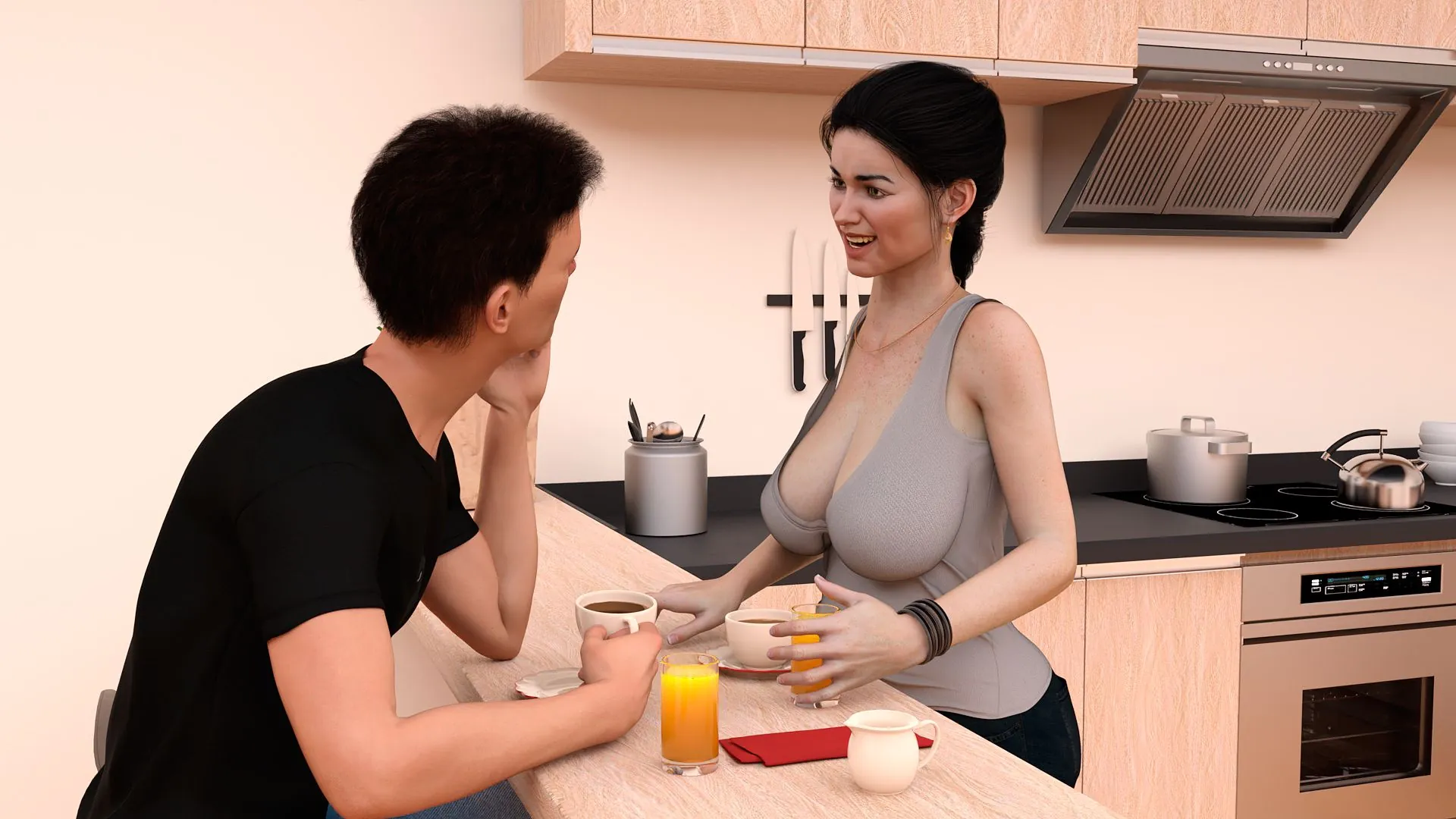
Heart Problems
Play Heart Problems
Heart Problems Screenshots















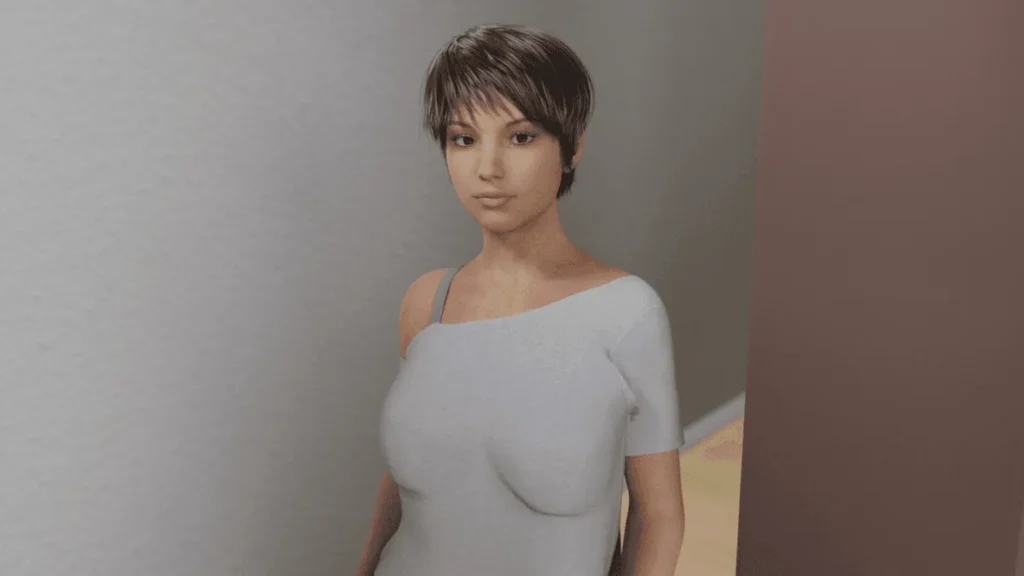

Heart Problems review
Complete guide to the immersive adult visual novel experience
Heart Problems stands out as a distinctive interactive experience that combines emotional storytelling with engaging gameplay mechanics. Developed by Xenorav, this visual novel immerses players in the journey of Iker, a young man navigating complex family dynamics, personal mysteries, and emotional growth. The game has garnered significant player engagement, with over 2 million plays across platforms. Whether you’re interested in understanding the narrative structure, exploring the branching dialogue system, or discovering what makes this title unique within its genre, this comprehensive guide covers everything you need to know about Heart Problems and its compelling features.
Understanding Heart Problems: Narrative Foundation and Core Gameplay
Ever feel like you’re just clicking through a story, waiting for the next pretty picture? 🤔 You’re not alone. For years, I chased that perfect visual novel gameplay experience, only to find my choices felt hollow—like picking a door color while the house was already built. Then I played Heart Problems. This isn’t just another dating sim; it’s a raw, psychological dive into family, identity, and the ghosts of our past. It completely redefined what I thought interactive storytelling choices could be.
At its core, the Heart Problems game story is a masterclass in emotional tension. You don’t play as a blank slate hero, but as Iker, a young man carrying the weight of a childhood wound. This brings us to the essential first piece of the puzzle: understanding who you are stepping into the shoes of.
The Story of Iker: Character Background and Plot Overview
To get why Heart Problems hits so hard, you need to understand Iker. His Iker character background is the foundation everything else is built upon. Abandoned by his biological mother at the fragile age of 12, his world shattered. He was taken in by his uncle Davie, finding a fragile stability. Now, as a young adult, he lives with his aunt and his two cousins, navigating the awkward, charged dynamics of a new family while the old one haunts him.
But here’s where it gets real: Iker is also in the throes of discovering his sexuality. 🏳️🌈 He’s not a polished, confident protagonist. He’s messy, vulnerable, and often confused. The central mystery—uncovering the truth behind his mother’s sudden disappearance—isn’t just a plot device. It’s the engine for his personal journey. Every conversation, every memory, is filtered through this lens of abandonment and the desperate need to understand “why?”
I remember one early scene where a simple family dinner conversation veered into talk about mothers. Iker’s internal monologue screamed with anxiety, and I felt that coil of tension in my own stomach. The game isn’t about saving the world; it’s about Iker saving himself, piece by fractured piece. This deeply personal Heart Problems game story ensures you’re invested from the very first click.
Game Mechanics That Shape Your Experience
Alright, so you have this incredible character and premise. How does the game actually work? This is where Heart Problems moves from a great story to a revolutionary piece of visual novel gameplay. It throws out the old rulebook. Forget simple “good” or “bad” dialogue options. Here, your tools are nuanced, psychological, and have real weight.
First, let’s talk about the branching dialogue system. When you’re in a conversation, you’re not given obvious paragon or renegade prompts. Instead, you choose an emotional approach. Is Iker feeling:
* Vulnerable? Opening up and sharing his true fear.
* Defensive? Lashing out or building walls to protect himself.
* Pragmatic? Trying to logic his way through an emotional minefield.
* Evasive? Deflecting or using humor to avoid the topic entirely.
This branching dialogue system means you’re role-playing a state of mind, not just selecting a pre-written line. The response you get from a character changes dramatically based on this choice. I once chose a defensive reply with his cousin, thinking I was standing my ground. Instead, I watched her face fall and her posture close off—a reaction that lingered for multiple scenes. That’s the power of this system. 🎭
This feeds directly into the brilliant relationship meter mechanics. You won’t find a simple “+5 Romance” notification. Instead, the game tracks how each character perceives Iker. Do they see him as trustworthy? A threat? A friend? A project? This is conveyed through subtle animations, shifts in voice tone, and subsequent dialogue options that open or close based on that perception. It’s organic and feels incredibly real.
Then there’s the memory trigger mechanic. Throughout the game, Iker is bombarded with flashbacks related to his mother. You, as the player, often get a choice: to explore the memory (delving into the pain for potential insight) or to suppress it (pushing the trauma down to function in the present). This isn’t just a narrative flair—it directly affects Iker’s current emotional state, which in turn influences the tone of his dialogue options.
But the true genius is how these systems are woven together by the emotional consequence engine. This isn’t a morality score. It’s a dynamic, living map of every character’s emotional state—their hopes, fears, resentments, and affections. When you make a choice, the engine doesn’t just check a box; it calculates how that action ripples through the emotional network of the entire household.
To show you just how different this is, let’s break it down side-by-side.
| Traditional Visual Novel Mechanic | Heart Problems’ Unique System |
|---|---|
| Good/Evil or Nice/Mean dialogue trees | A branching dialogue system based on emotional approaches (Vulnerable, Defensive, etc.) |
| Numerical relationship scores (e.g., “Anna: 75/100”) | Relationship meter mechanics tracking character perceptions, shown through behavior, not numbers |
| Choices that unlock set story flags (e.g., “Romance_Flag_1 = True”) | An emotional consequence engine that maps shifting emotional states for all characters |
| Linear or minor branch-and-merge storytelling | True interactive storytelling choices with cascading, long-term narrative effects |
| Static character reactions | Dynamic reactions based on a character’s current emotional profile in the engine |
Built on the accessible RenPy engine, this sophisticated experience isn’t locked to a PC. You can immerse yourself in this family drama on Windows, Mac, Linux, and even Android, making it a truly portable emotional journey. The current version, 0.9, offers a vast amount of content with stunningly realistic graphics and a curated soundtrack that amplifies every moment of tension and tenderness.
How Choices Impact Your Journey Through Heart Problems
So, what does all this mechanical brilliance actually feel like to play? It means every click has meaning. Your interactive storytelling choices don’t just nudge a slider; they send tremors through the entire narrative landscape. The game promises—and delivers—multiple outcomes and high replayability because you’re not just picking a path, you’re shaping the emotional reality of everyone involved.
Let me give you a concrete example from my own playthrough that illustrates the cascade. Early on, Iker’s aunt asks him a seemingly innocent question about his first day at a new job.
- The Choice: I had four options reflecting the branching dialogue system. I chose Pragmatic, giving a dry, factual report about the commute and office layout, subtly avoiding any personal feelings.
- The Immediate Ripple: My aunt’s smile became slightly strained. The relationship meter mechanics translated my choice into her perceiving Iker as “closed-off” or “distant.” Her next line of dialogue was cooler, more formal.
- The Cascading Effect: Later that evening, my cousin (who overheard the exchange) approached me. Because the emotional consequence engine had registered the aunt’s shifted mood, the cousin’s dialogue branch changed. Instead of a friendly chat, her opening was, “Mom said you seemed really stressed. Wanna talk about it?” She was now operating from a perception of Iker as stressed, not just quiet.
- The Long-Term Consequence: This single pragmatic choice locked me out of a vulnerable, bonding moment with the aunt for several in-game days. It also made the cousin’s route slightly more protective and inquisitive, altering the tone of our entire relationship arc. A choice I made about how to communicate reshaped two key relationships instantly.
This is the power of the emotional consequence engine. It creates a living story where characters don’t just have memories of events, but of emotional exchanges. Your journey becomes uniquely yours. Will you help Iker confront his trauma head-on, or will you guide him to bury it and focus on new connections? Will he seek the hard truth about his mother at all costs, or will he learn to build a new family from the pieces left behind?
This level of depth in visual novel gameplay is rare. It respects your intelligence and your emotional investment. You’re not an omnipotent director but a participant in a fragile, evolving system of human relationships. The Heart Problems game story earns its drama because you feel every victory and every misstep in your gut.
In the end, Heart Problems is more than a game. It’s an experience in empathetic storytelling. By diving deep into the Iker character background and giving you the sophisticated tools of its branching dialogue system, relationship meter mechanics, and groundbreaking emotional consequence engine, it delivers on the ultimate promise of interactive storytelling choices: that you are not just witnessing a life, but actively, meaningfully living it. And every choice, from the monumental to the mundane, truly matters. ✨
Heart Problems represents a thoughtfully crafted interactive experience that goes beyond surface-level storytelling. Through its sophisticated emotional consequence engine, dynamic relationship systems, and meaningful player agency, the game creates a narrative landscape where every decision carries weight and consequence. The combination of compelling mystery—uncovering the truth about Iker’s mother’s disappearance—with character-driven emotional depth and immersive presentation makes it a standout title. Whether you’re drawn to the branching dialogue system, the realistic graphics, the carefully composed soundtrack, or the promise of multiple narrative outcomes, Heart Problems delivers an experience designed for players seeking substance alongside entertainment. If you’re interested in exploring a game that respects player intelligence and offers genuine narrative depth, Heart Problems invites you to discover what unfolds when you take control of Iker’s story.