Play After the Inferno
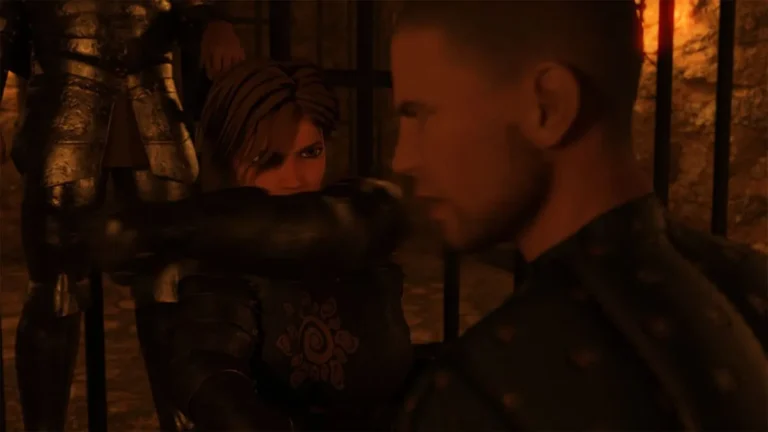
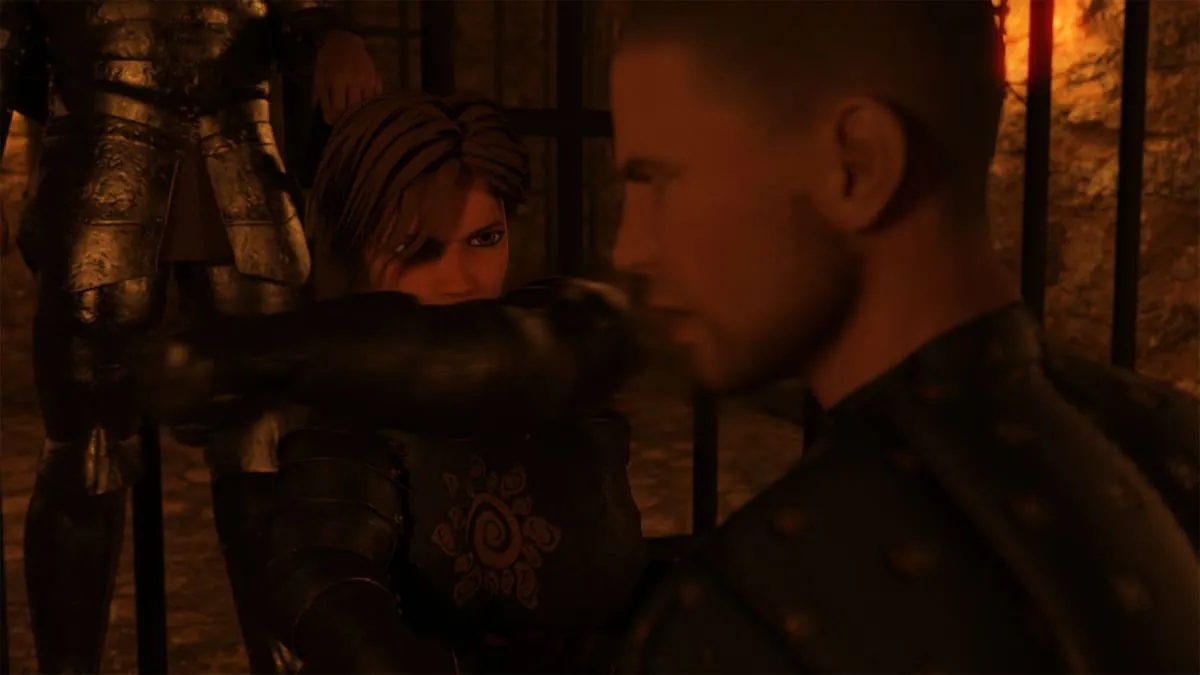
After the Inferno Screenshots
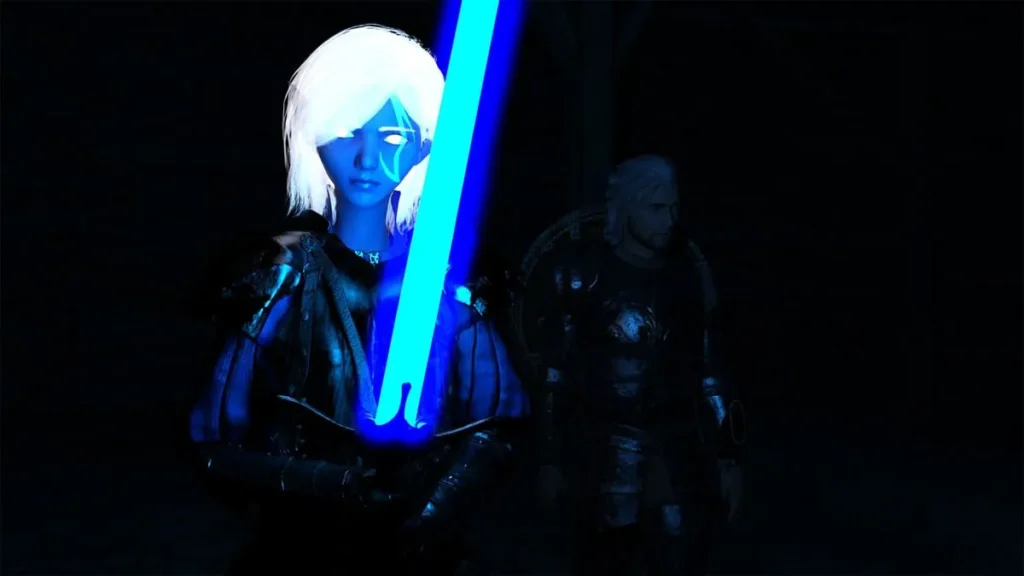
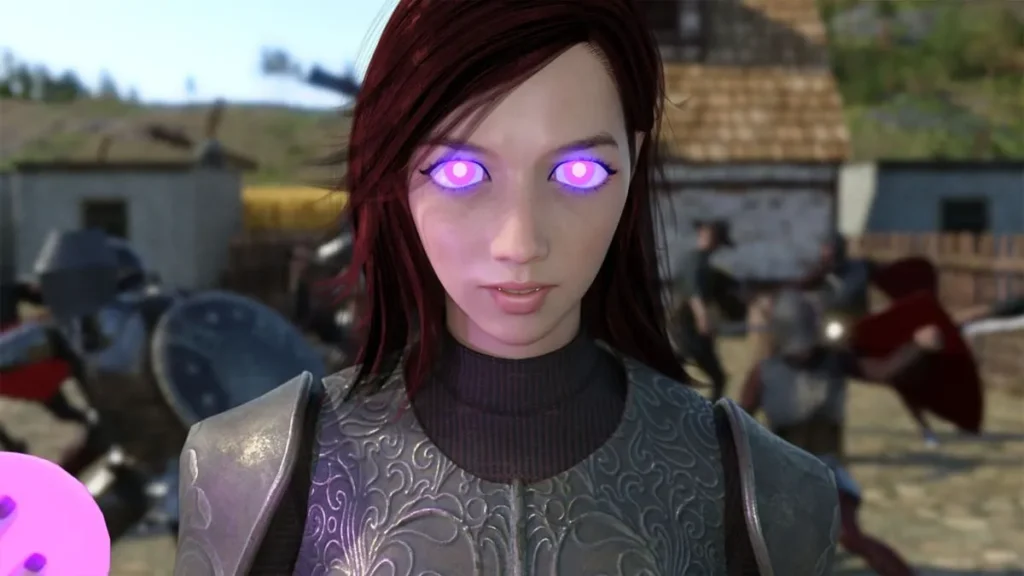


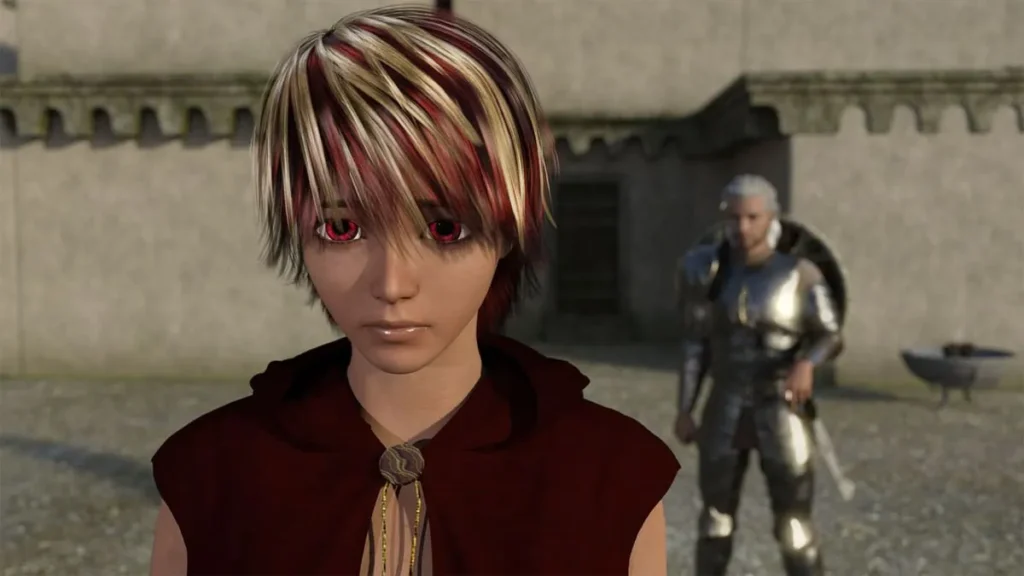
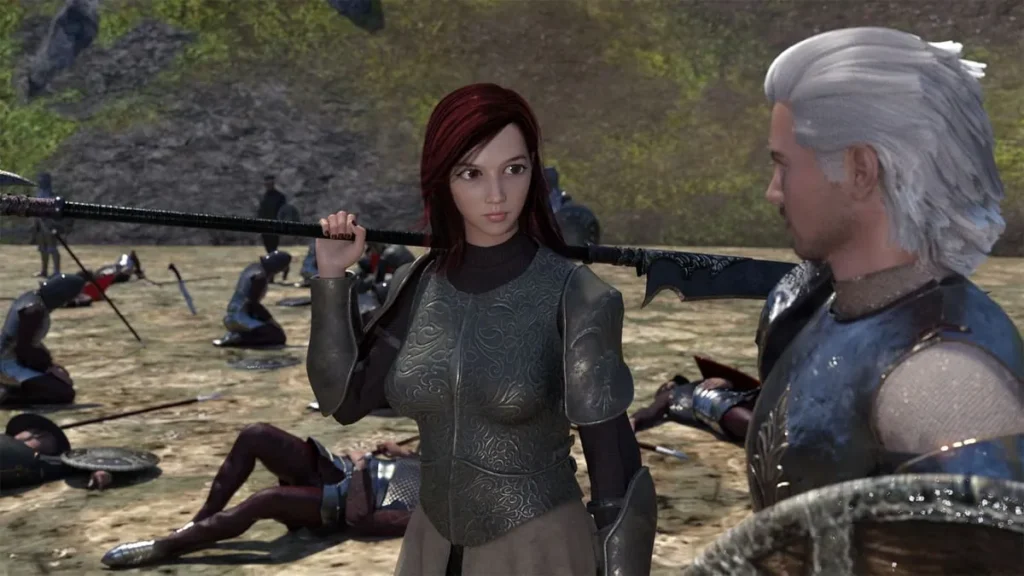
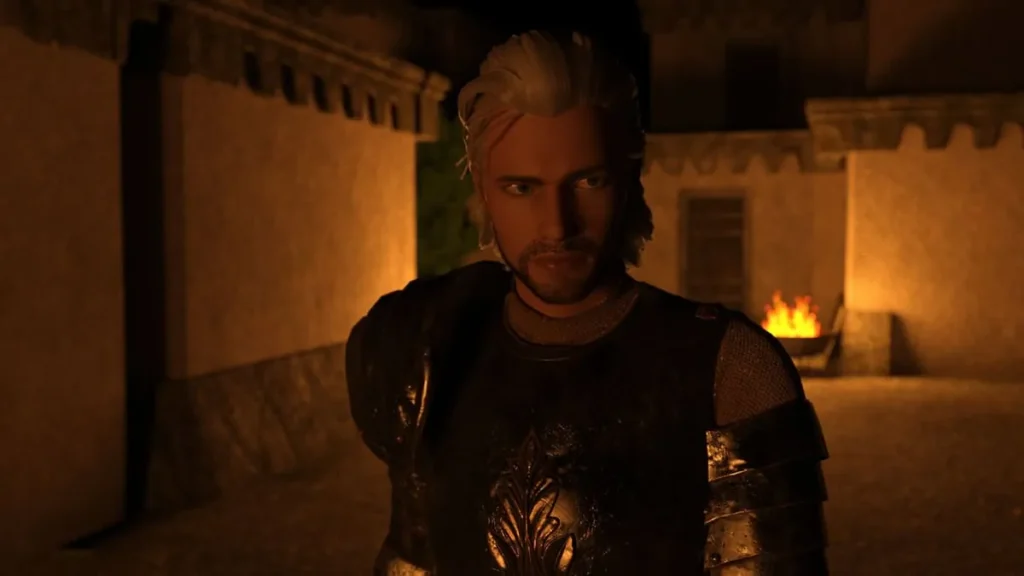

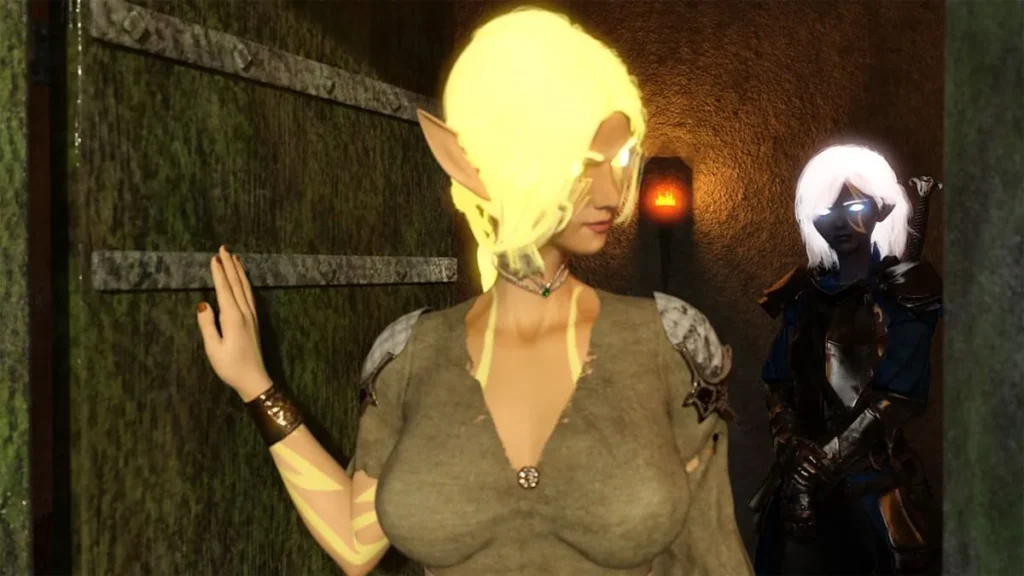
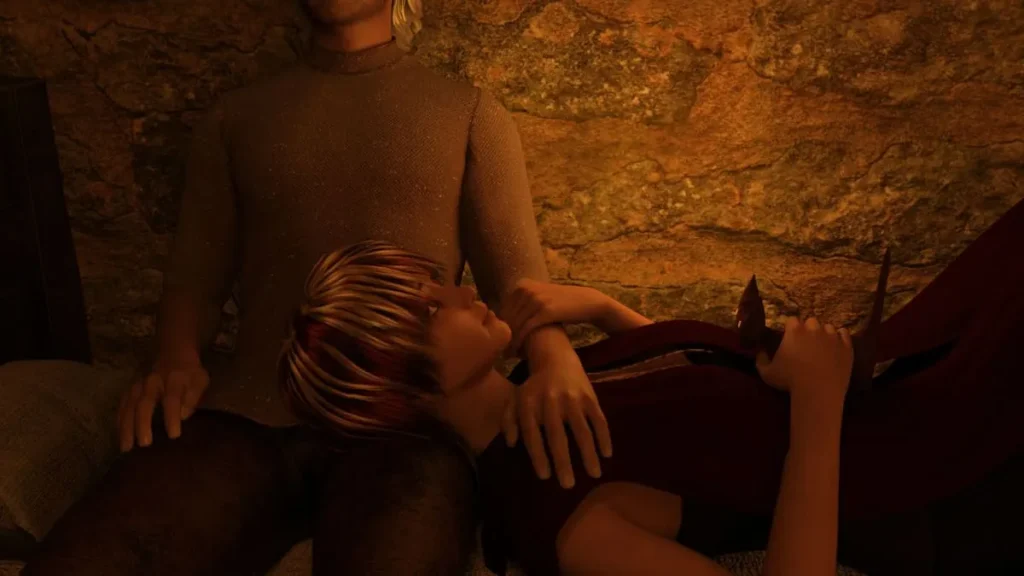

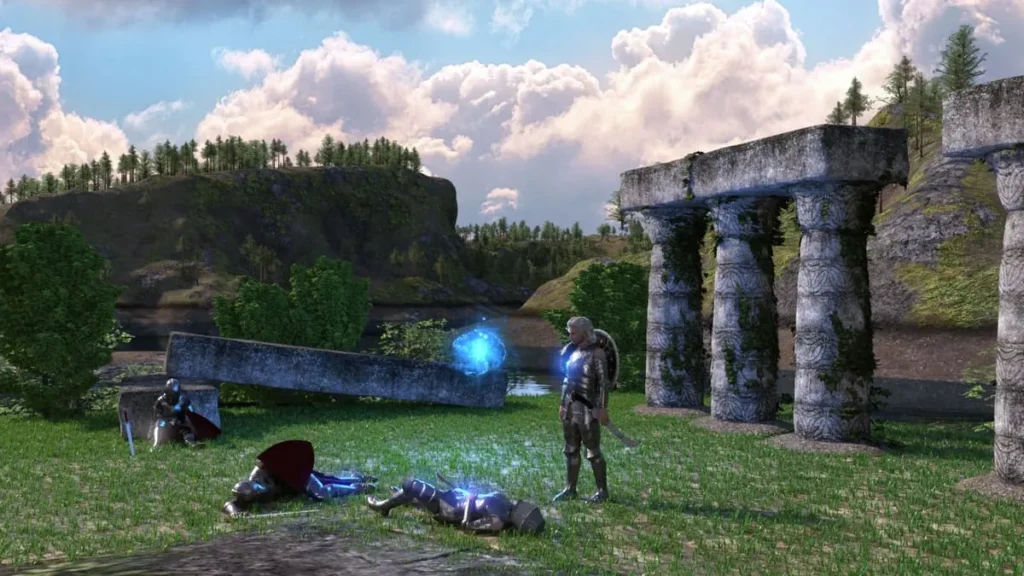
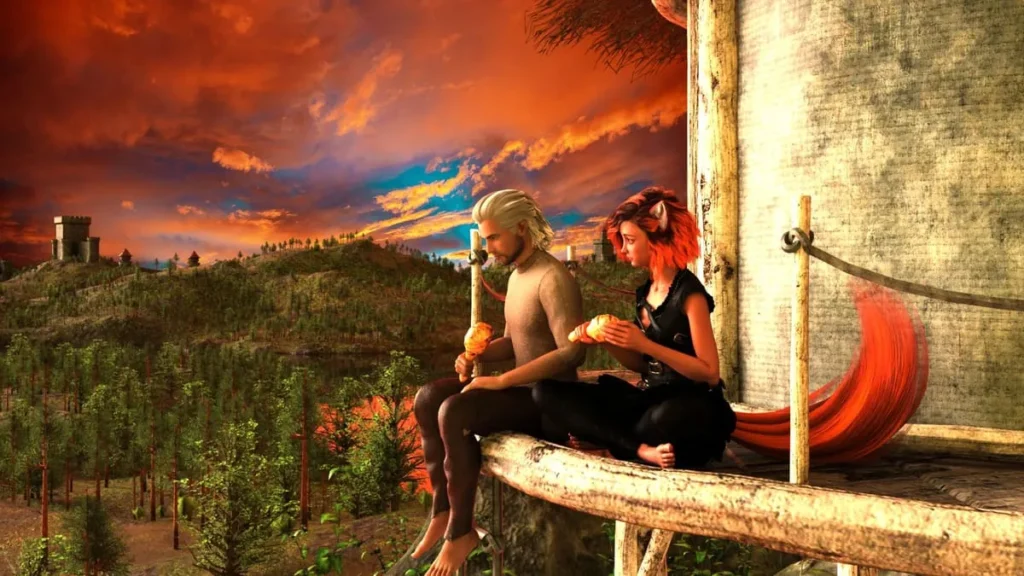
After the Inferno review
Story, Characters, Gameplay Mechanics, and What Makes This Title Stand Out
After the Inferno stands out as a visual novel that combines narrative depth with mature content in a way that respects player choice. This game offers far more than surface-level appeal—it features a rich story, complex character interactions, and a codex system that rewards exploration. Whether you’re interested in the narrative elements, character development, or the mechanics that allow players to customize their experience, this guide covers everything you need to know about what makes After the Inferno a compelling choice for visual novel enthusiasts.
Understanding After the Inferno: Story, Setting, and Core Gameplay
So, you’ve heard the name After the Inferno buzzing around and you’re wondering what all the fuss is about. Maybe you’re a seasoned visual novel veteran looking for your next deep dive, or perhaps you’re completely new to the genre and this title caught your eye. Wherever you’re coming from, let me tell you: this isn’t your average click-through story. 🕯️
After the Inferno presents itself as a fantasy romance visual novel, but to label it just that is like calling the ocean a large puddle—it misses the immense depth and scale lurking beneath. At its heart, this is a story-first experience of epic proportions, wrapped in a familiar format but delivered with a level of craftsmanship that demands attention. If you’re tired of narratives that feel thin or choices that don’t matter, you’ve come to the right place.
This guide is your map through the rich, sometimes daunting, landscape of this game. We’re going to peel back the layers, from the sweeping After the Inferno story to the intricate minds of the After the Inferno characters, and unpack the clever visual novel gameplay mechanics that make your journey uniquely your own. Forget any preconceptions; we’re diving into what truly makes this title stand out.
What Is After the Inferno and Why It Matters
Let’s start with the basics. After the Inferno is a choice-driven visual novel built in Ren’Py. You step into the worn boots of Kaelen, a former soldier turned wandering sellsword, navigating a continent freshly scarred by a catastrophic war against demonic forces. The “Inferno” is over, but the world is far from healed. Political intrigue simmers, old hatreds fester, and mysterious threats stir in the shadows. Your job? Survive, find your place, and perhaps build something meaningful from the ashes.
Now, why does this particular visual novel with choices matter in a sea of similar titles? 🤔 It comes down to intent and execution. Many games in this space promise a grand tale but often shortcut the “novel” part in favor of other elements. After the Inferno flips that script. It commits, wholeheartedly, to being a novel you play. The word count is massive, the lore is dense and rewarding, and the character development is novelistic in its depth.
The target audience is clear: readers and players who crave substance. If you love getting lost in detailed world-building, forming complex relationships with characters who feel real, and influencing a narrative through meaningful decisions, this is your game. It respects your intelligence and rewards your patience. The mature content present is exactly that—content—not the core premise. It’s an optional layer in a much larger, more compelling picture, which is a crucial distinction we’ll explore further.
Narrative Depth Beyond Surface Content
This is where After the Inferno truly separates itself. The narrative depth visual novel enthusiasts dream of is not just present; it’s the foundation. We’re not talking about a simple “boy-meets-girl” plot with some fantasy window dressing. We’re talking about a meticulously constructed saga with the scope of a fantasy book series.
The After the Inferno story is told strictly from Kaelen’s perspective. This first-person viewpoint is a masterstroke for immersion. You’re not an omnipotent observer; you’re a man with a past, biases, and limited knowledge. You piece together the world’s mysteries alongside him, feel his doubts, and share his hard-won triumphs. This perspective makes every discovery personal and every setback visceral.
But the depth doesn’t stop with the protagonist. Every major character you meet is a story unto themselves. The After the Inferno characters aren’t just love interests or quest-givers; they are individuals with their own histories, traumas, ambitions, and moral codes. Your interactions with them change them, and they, in turn, change Kaelen. A conversation isn’t just about picking the “right” dialogue option to increase a affection meter; it’s about engaging with another person’s worldview. Do you challenge their beliefs? Offer empathy? Or pursue a pragmatic alliance? These choices shape not only your relationship but also the political and personal landscape around you.
The world itself is a character. The war against the Inferno has reshaped geography, religions, and societies. You’ll encounter different cultures with unique customs and tensions. The game doesn’t info-dump this on you. Instead, you learn it organically—through overheard conversations, old books, and the scars people carry. This approach to storytelling creates a powerful sense of place and history. You feel the weight of the past pressing on the present, making every decision feel consequential.
Personal Insight: When I first played, I spent a good hour just talking to a seemingly minor character in a tavern. By the end, I hadn’t unlocked a special scene or gained a stat. What I had gained was a profound understanding of the common folk’s fear after the war, which completely changed how I approached the next major story decision. That’s the power of its narrative depth.
Game Mechanics and Player Agency
A great story needs a great vessel, and the visual novel gameplay mechanics in After the Inferno are expertly designed to enhance, not hinder, your immersion. This isn’t a passive slideshow. It’s an interactive experience where your agency as a player is respected and embedded into the systems.
Let’s break down the core tools at your disposal:
-
The Save Slot System: Given the branching nature of the narrative and the importance of your choices, the game encourages prolific saving. With numerous save slots, you can safely explore different dialogue paths, witness alternative outcomes, and truly experiment with being a different version of Kaelen. It turns the “what if” anxiety of choice-driven games into a feature, promoting replayability.
-
The Codex – Your Personal World Guide: This is arguably the crown jewel of the game’s design. The codex system game features are a testament to the developers’ commitment to their own world. It’s an in-game encyclopedia that automatically fills as you play, meticulously cataloging everything:
- Locations: Every city, village, and landmark you visit or hear about.
- Lore & Religions: Deep dives into historical events, pantheons, and belief systems.
- Characters: Detailed profiles on everyone you meet, often updating with new information as your relationship evolves.
- Interactions: A log of key story moments and decisions.
The Codex isn’t just for reference; it’s a reward. Finding a new entry feels like uncovering a piece of a puzzle. It respects the time you invest in the world by helping you keep track of its complexity, and it visually represents your progression through the story.
-
Galleries and Collections: For completionists and those who simply want to revisit key moments, the game includes full galleries for unlocked cutscenes and other visual milestones. It’s a great way to reflect on your journey or see moments you might have missed in another playthrough.
Now, let’s address the mechanic everyone is curious about: the balance between narrative and intimate content. The game handles this with clear, player-friendly design. These scenes are entirely optional. They are gated behind specific story and relationship choices, meaning you must consciously pursue a romantic path to encounter them. They are treated as character moments—extensions of the relationship you’ve built—rather than mandatory titillation. You can experience the complete, sprawling After the Inferno story without engaging with a single one, and the narrative will remain rich and coherent. This “opt-in” design is crucial, placing the power firmly in the player’s hands and upholding the story-first promise.
Key Gameplay Features at a Glance:
* Branching Narrative: Your choices in dialogue and action create meaningful forks in the story.
* Relationship Building: Deep, multi-faceted connections with a cast of complex characters.
* The Codex: An auto-populating encyclopedia for lore, characters, locations, and your personal story history.
* Save System: Extensive save slots to facilitate exploration of different narrative paths.
* Cutscene & Media Gallery: Unlock and replay animated moments and special scenes.
* Optional Content Gates: Mature scenes are sequestered behind specific, deliberate relationship choices.
To visualize how these systems work together to create your unique experience, consider this flow:
| Your Action | Game System Engaged | Result & Immersion Boost |
|---|---|---|
| You choose a dialogue option that challenges a character’s faith. | Choice & Branching Narrative | The character’s relationship path shifts; a new, thorny story branch opens. A new entry on their religion is added to your Codex. |
| You explore a new city and talk to its residents. | World Interaction & Codex | The “Locations” section of your Codex updates with the city’s history and key figures. You gather clues for a main or side quest. |
| You decide to pursue a romantic storyline with a specific character. | Relationship Building & Optional Gates | You must make consistent choices that align with building that trust and connection over time, unlocking character-specific story scenes and, eventually, optional intimate content if you choose. |
| You replay a chapter to see a different outcome. | Save Slot System & Galleries | You use a saved game to branch from a key decision. The Gallery allows you to compare the different cutscenes you’ve unlocked from each path. |
This interconnected design ensures that every click feels purposeful. The visual novel gameplay mechanics are not standalone features; they are woven into the fabric of the experience, making you an active archaeologist of this broken world and an architect of Kaelen’s soul.
FAQ: Your Questions, Answered
Q: Are the intimate scenes mandatory to finish the story or understand the characters?
A: Absolutely not. This is one of the most important points. The scenes are optional vignettes that occur only after reaching a significant milestone in a specific romantic route. The core character development, relationship arcs, and the entire main plot are fully complete without them. They are an addition, not a requirement.
Q: How do choices affect the story? Are we talking different endings, or just different dialogue?
A: We’re talking major branches and different endings. Your choices determine which character arcs you pursue, how key events resolve, who lives or dies, and the ultimate fate of Kaelen and the people around him. A seemingly small decision in Chapter 2 can close off entire storylines or open new ones much later. It’s the hallmark of a true visual novel with choices.
Q: Is the game all reading? What’s the actual gameplay like?
A: The primary interaction is reading and making choices, which is standard for the genre. However, the “gameplay” lies in the strategic management of your relationships, the exploration of the world through the Codex, and the navigation of a complex narrative web. It’s a thinking person’s game. Your engagement is mental and emotional, as you piece together lore and weigh the consequences of your decisions.
Q: The Codex sounds cool, but is it just a list?
A: Far from it! Think of it as your detective’s board or historian’s journal. It dynamically connects people, places, and events. Seeing an entry update after a revelation is incredibly satisfying. It transforms the world from a backdrop into a tangible, knowable place. The codex system game features are a masterclass in encouraging player investment in lore.
Q: I’m new to visual novels. Is this too complex to start with?
A: It’s a substantial starting point, for sure—like beginning your fantasy novel journey with Tolkien. If you have the patience for a deep, slow-burn story and enjoy reading, you’ll be fine. The mechanics themselves are easy to learn (click to advance, click to choose). The complexity is in the narrative, which is a reward, not a barrier. Just remember to use your save slots freely!
In the end, After the Inferno stands out because it believes in its own story. It trusts that you, the player, are there for a journey—one of intrigue, romance, conflict, and redemption. It provides the tools (the Codex, the save system) to make that journey your own and delivers a narrative depth visual novel fans rarely get to experience. It proves that within the framework of a visual novel with choices, you can build a world as vast and a tale as compelling as any bestselling novel or triple-A RPG. Your inferno is over. Now, what will you build in the aftermath? 🌄
After the Inferno delivers a visual novel experience that prioritizes storytelling and player agency. The game respects player choice by making every intimate scene completely optional while maintaining narrative coherence and character development. With its comprehensive codex system, multiple save slots, and branching relationship paths, the game offers substantial replay value and depth. Whether you’re drawn to the narrative elements, character interactions, or the freedom to shape your own experience, After the Inferno proves that mature visual novels can offer meaningful content beyond their surface appeal. For players seeking a story-rich experience with genuine character development and meaningful choices, this title delivers on multiple fronts.